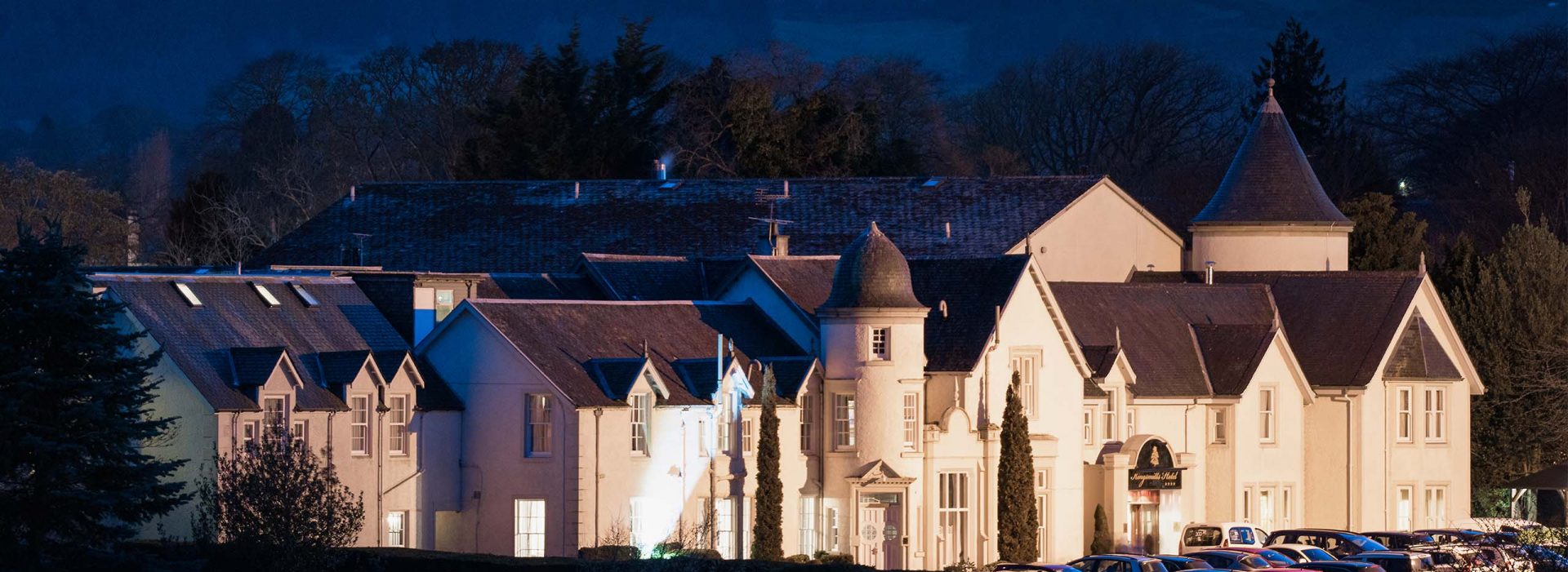
I’ll be working with the Kingsmills Hotel starting this observing season, delivering bespoke stargazing experiences based out of Inverness for small and medium sized groups.
You can read more details here.

I’ll be working with the Kingsmills Hotel starting this observing season, delivering bespoke stargazing experiences based out of Inverness for small and medium sized groups.
You can read more details here.

Here’s some facts and figures highlighting the impact of the Star Stories astronomy programme, running up at Abriachan forest since 2018 (after a pilot in 2017). As principle researcher for the Spark Award grant I’ve been sharing impact data with STFC, who’ll use it to better target future funding for science and astronomy outreach.

Impact Summary

Examples of astronomy topics and themes explored during the events:
Meteors, Venus, Life of Stars, Saturn, Aurora, Variable Stars, Night sky photography, Buying a Telescope, Orion, Island Universes, Scale of the Universe, Mesolithic Stargazing, Renaissance Astronomy, Globular Clusters,Summer and Winter Solstice, Moon, Gravitational Waves, Multiverses, Lord Kelvin, Age of Universe, Planetary Nubulae, Black Holes, Space Telescopes

Astronomy speakers:
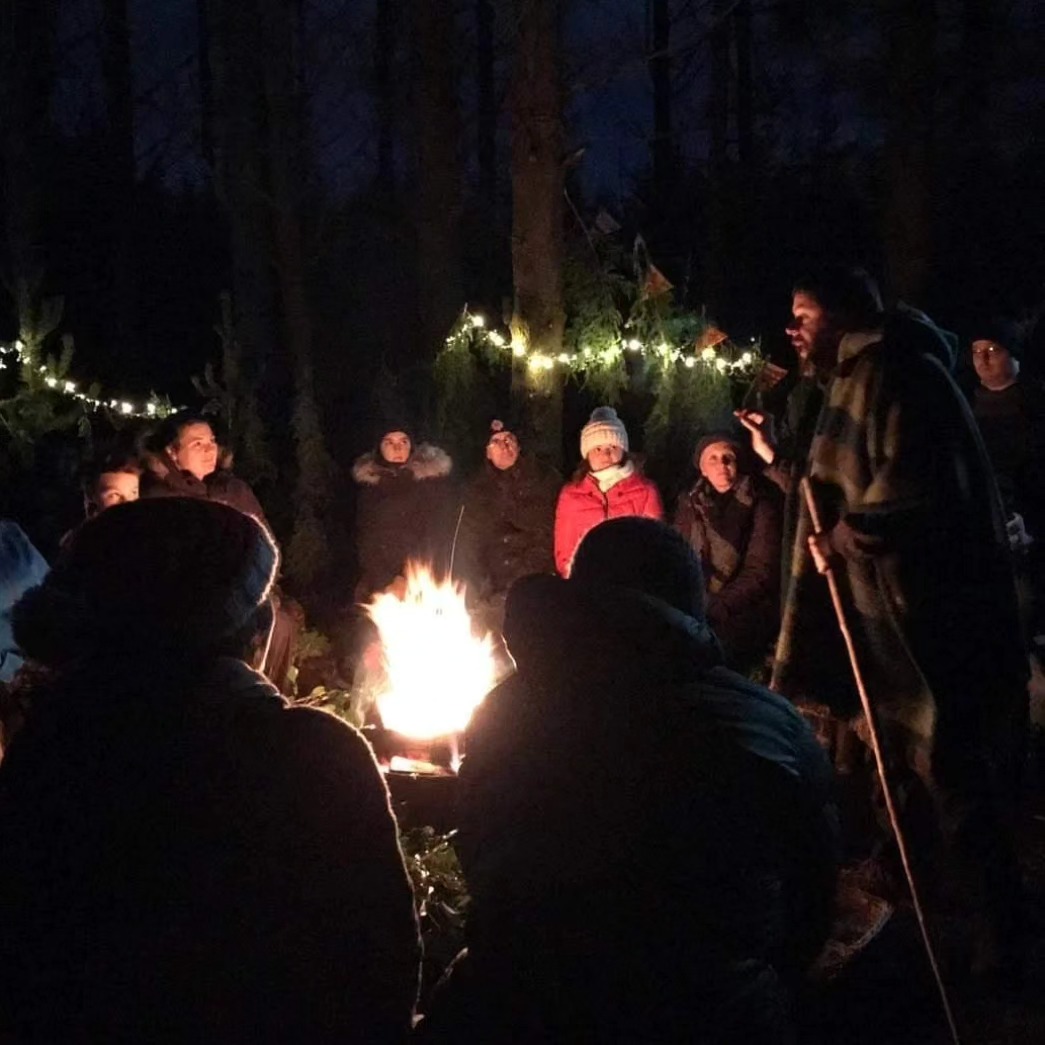
Storytellers:


Key Findings
The Future
Star Stories is now a well established astronomy outreach programme within the Highlands, close to the city of Inverness. Its events continue to sell out each season . Our new programme of events will kick off at the start of the 2024 winter season in October. We look forward to expanding the scope of the work, reaching new audiences and developing new and exciting content that will forge a bridge into science, mathematics and astronomy.

Our 2023/2024 season of astronomy outreach at Abriachan Forest ended on a high note this Saturday with a visit from Martin Hendry, Professor of Gravitational Astrophysics and Cosmology. Since 2022 Martin has been acting vice principle at the University of Glasgow and was formerly head of the school of Physics and Astronomy.
Martin’s packed talk was broadly about the age of the universe, but touched on the age of stars, stellar classification, cepheid variables, rates of cosmic expansion, and the important work undertaken by female astronomers like Henrietta Leavitt, Annie Jump Cannon and Williamina Fleming, who were instrumental in helping us calculate the distances to star clusters and galaxies. A special tribute was also paid to Lord Kelvin on the 2024 bicentenary of his birth.
Alas, we were not graced with clear skies for open air stargazing, so following Martin’s talk we both hosted a virtual planetarium tour instead, referencing many of the clusters, galaxies and some stars mentioned in the main talk.
Thanks to Suzann for the Kelvin and Constellation witches fingers which captivated some of the younger audience members, and my wife Judith for the excellent home bakes. I look forward to announcing our new new 2024/2025 program in October. Stay tuned for details.

Calculations of the age of the universe using a variety of datasets and methodologies, including galactic red shifts and globular clusters have broadly placed the age of the universe at about 14 billion years old.
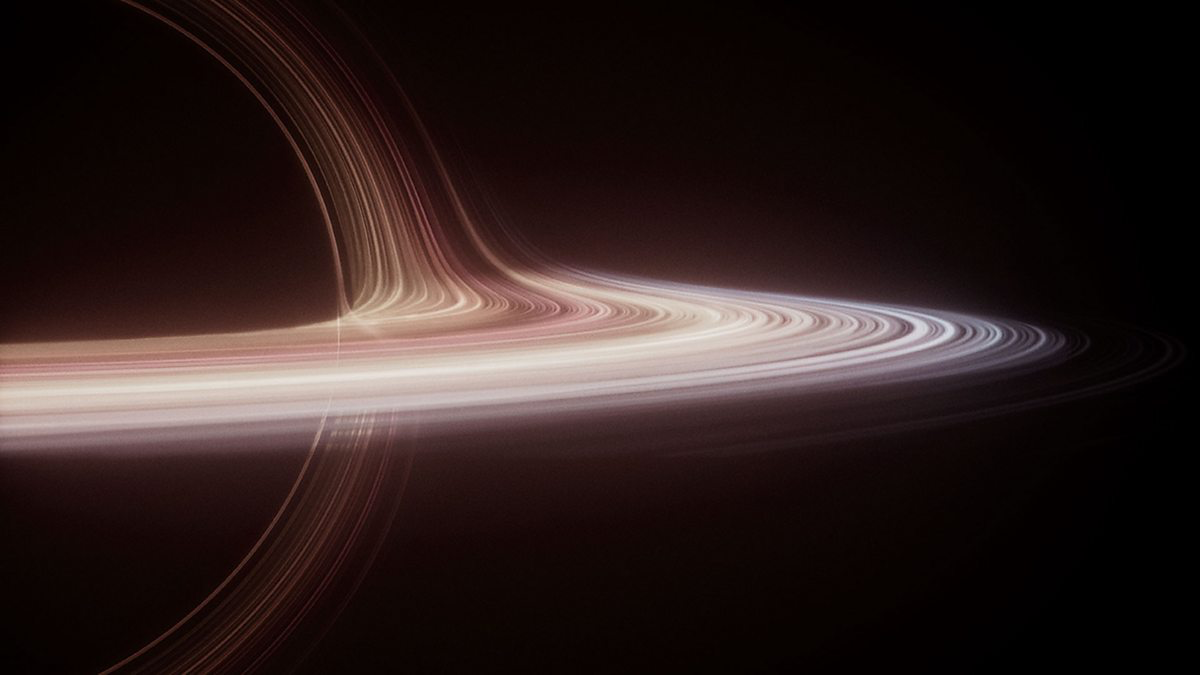
I rarely recommend popular science books but feel I need to make an exception with Brian Cox and Jeff Forshaw’s excellent ‘Black Holes – The Key To Understanding The Universe’ published by William Collins.
For me this book surpasses A Brief History of Time, and joins a tiny subset of popular science books that aren’t afraid to delve into some real mathematics, adding richness and depth to typically analogy laden exposition.
Within the pages you’ll find real equations and Penrose diagrams explaining the basics of special and general relativity. These sections will certainly challenge many readers but also equip them for the chapters that follow, when Cox and Forshaw dive into the wonderful abstract world of event horizons, singularities, worm holes, rotating black holes, multiverses and other weird and exotic by products of general relativity and quantum theory.
The material here feels very up to date and references many recent discoveries and theoretical papers. The style is sharp, understandable and with just the right hint of dry humour to keep things light hearted and entertaining.
I accessed the very affordably Kindle version but have enjoyed it so much I’ll be treating myself to a hardback copy – not least because many of the excellent diagrams are in full colour – something my ebook reader can’t reproduce.


Due to heavy snow this winter my Tales of the Moon event (with Steve Owens) has moved to February 17th and our scheduled event with Professor Martin Hendry is now March 9th. The former event has sold out but the Eventbrite links for March have just gone live. Please see details below if you wish to book:
Join us up at Abriachan Forest (a Dark Sky Discovery site) for an evening of stargazing with guest astronomer Martin Hendry, professor of Gravitational Astrophysics and Cosmology at the University of Glasgow.
Event format is weather proofed so please book with confidence. As well as our indoor guest speaker talk from Martin on the Age of the Universe (and Lord Kelvin) we’ll have outdoor (or indoor) night sky guiding with astronomer Stephen Mackintosh, possible telescopic views of Juipter and more family focused activities with the Abriachan team.
Refreshments and home bakes available. Due to site and classroom capacity, booking via Eventbrite is essential. Admission is free for under 16s with accompanying adults but please inform Abriachan of any large booking requests.
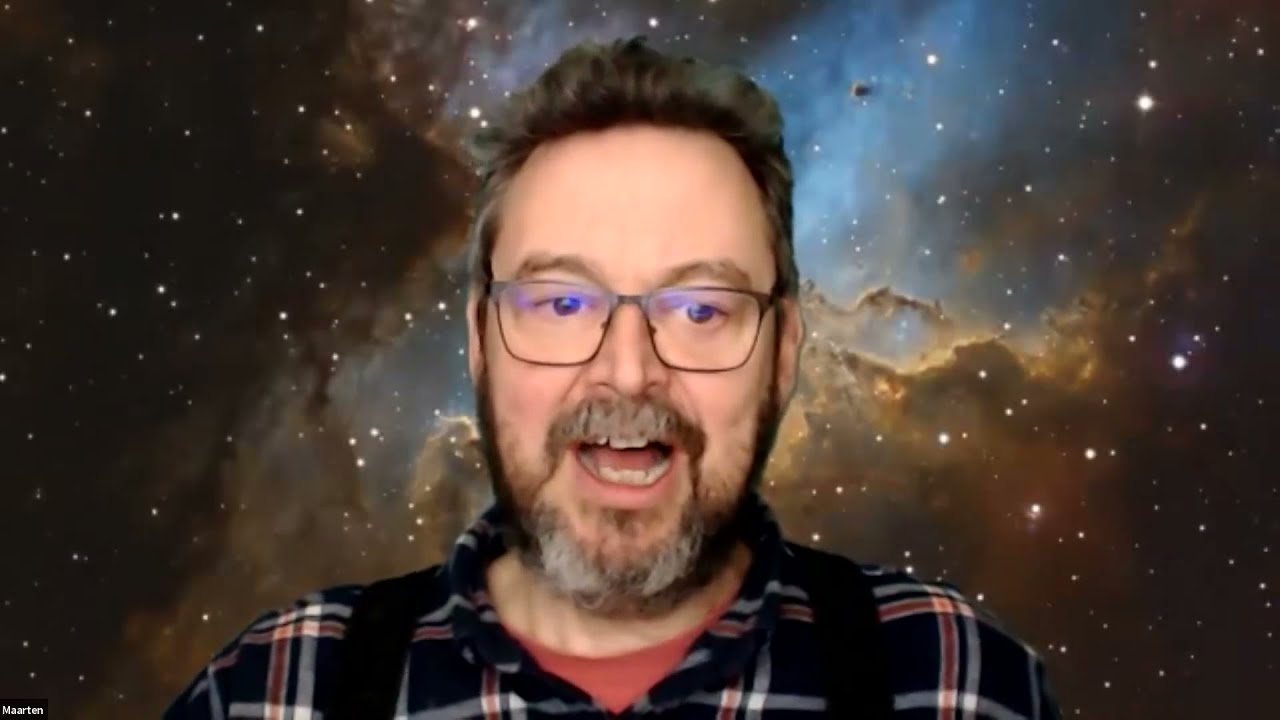


I’m delighted to announce the return of three excellent astronomers and guest speakers to Abriachan Forest this season.
On December 9th – Maarten De Vries (talking about Meteor Showers)
On January 20th – Steve Owens (joins me to Explore the Moon)
On February 10th – Martin Hendry (discusses Lord Kelvin and the Age of the Universe)
All guest speaker talks will be followed (or proceeded) by naked eye and binocular stargazing led by myself, or a backup indoor sky tour on planetarium software if clouds roll in. Plus storytelling and other activities led by the Abriachan team. Refreshments and home bakes provided.
Ticket links will go live roughly four weeks prior to each event so please stay tuned to my Facebook page for details as they do sell out very quickly.

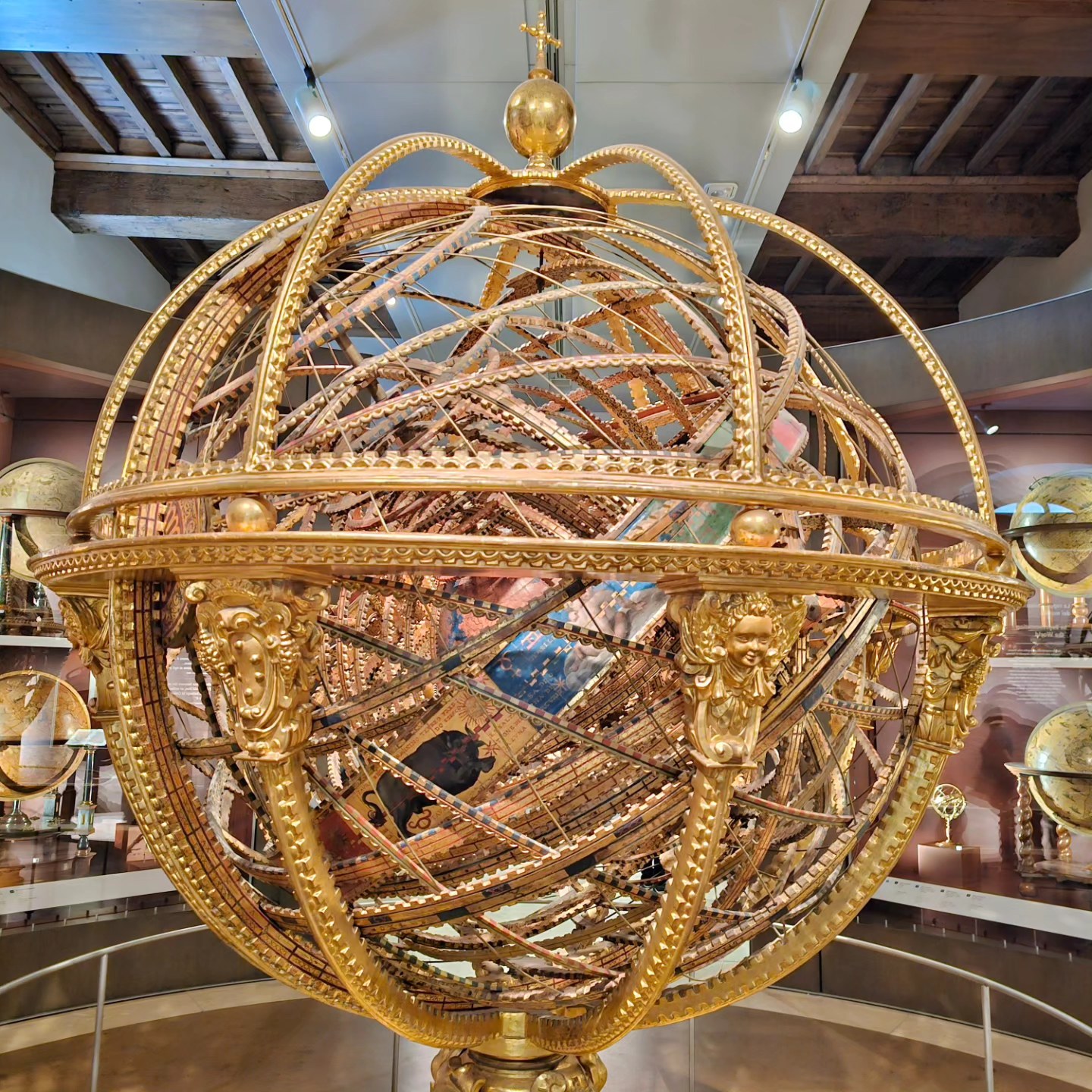
I thoroughly enjoyed a tour of the Galileo Museum in Florence, Italy this October. If you’re ever travelling in Florence it’s well worth a visit.
Spread over three floors you’ll find perfectly preserved refracting telescopes from the 1600s, dozens of Geocentric and Heliocentric orreries (models) of the solar system (many in enormous scale), some of Galileo’s original experimental apparatus including gravity ramps and pendulums and original copies of Galileo’s Sidereus Nuncius and The Dialogue.
The museum overlooks the majestic Arno river and crucially is within easy reach of several decent cafes and bars. Saluti!



 | Modulo | Universe