November Star Stories at Abriachan Forest

Waxing crescent Moon at Abriachan Forest

Join us up at Abriachan Forest on November 4th for our first event of the 2022 Stargazing season – ‘Moon, Planets and Fox & Fire!’

To kick off the winter series our first event will be a Moon and Planet special with the waxing gibbous Moon, Jupiter and Saturn on display for live binoculor and telescope observing guided by astronomer Stephen Mackintosh. If skies are poor Stephen will instead present an indoor talk in the forest classroom on the history of lunar and planetary observing, going back to the earliest ideas our ancestors had about the Moon and Wandering Stars.

In addition the Abriachan team will present ‘Fox and Fire’ storytelling around the campfire with refreshments provided.

Due to site and classroom capacity, booking via Eventbrite is essential. Admission is free for under 16s with accompanying adults but please inform Abriachan of any large booking requests.

Tickets can be purchased on Eventbrite HERE.

Double Asteroid Redirection Test

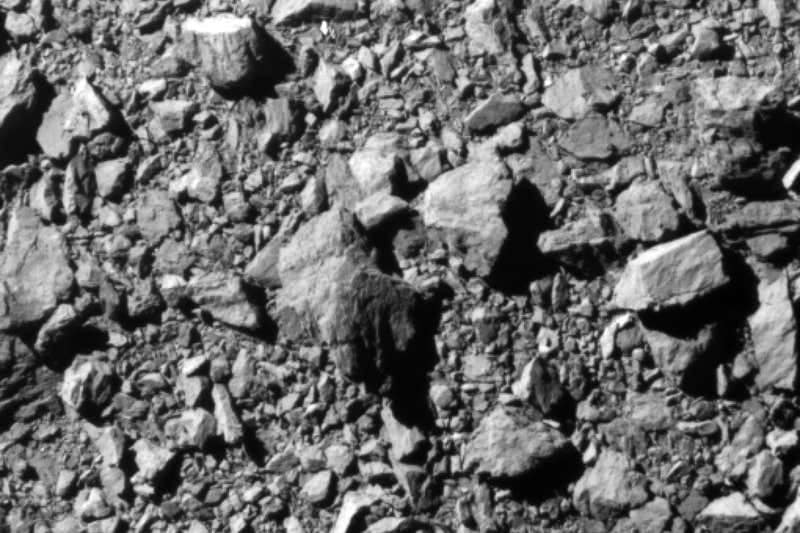
Two seconds before impact

Double Asteroid Redirection Test, or DART for short, is an attempt by NASA to redirect the orbit of asteroid Dimorphos via direct impact with a man made spacecraft.

The first image shows the final moment captured by the spacecraft’s camera just 2 seconds before impact with the asteroid’s rocky surface on 27th September. The second image shows a series of recently released James Webb stills of the asteroid at various times after impact.

James Webb images of Dimorphos post impact

The 525 foot wide asteroid is actually a small orbiting chunk of a larger ‘system’ of asteroids some 7 million miles from Earth.

This particular space rock poses no risk to Earth but provides a perfect test of our ability to potentially change the orbit of larger near Earth asteroids that could pose an impact risk in the future.

We won’t know how successful DART has been until November, when all data has been gathered and a new orbit for Dimorphos calculated. DART team members hope to change the orbital period by at least 73 seconds for the mission to be deemed a success.

Constructive destruction.

Guide to September Skies

What’s Up in September 2022 Night Sky Guide.

I hope you enjoy my short guide to September skies. Everything in this guide is calibrated to views around 11pm. Highlights include:

– Jupiter, Saturn and Mars

The Pleiades and Hyades open star clusters

– The Winter Triangle

– The Milky Way

– Lyra with the double double and ring nebula

– The Plough and its famous double star

Clear skies.

Stargazing at Abriachan Forest – November 4th 2022 launch

Stargazing at Abriachan Forest will be back this year beginning Friday November 4th. Our first event will be a Moon and planet special with this season resplendent with bright planets in the run up to Christmas.

I’d also like to wish Scotland’s astronomer royal Catherine Heymans a speedy recovery. Some of you may remember Catherine had to cancel her event at Abriachan last February after contracting Covid a day or so before her appearance.  

Unfortunately Catherine is now suffering with long covid and last I heard was unable to continue her outreach duties. Catherine is still keen to join us as a guest speaker as soon as she can. Get well soon.

Tickets for our first event will go up in early October.

Hubble vs Webb

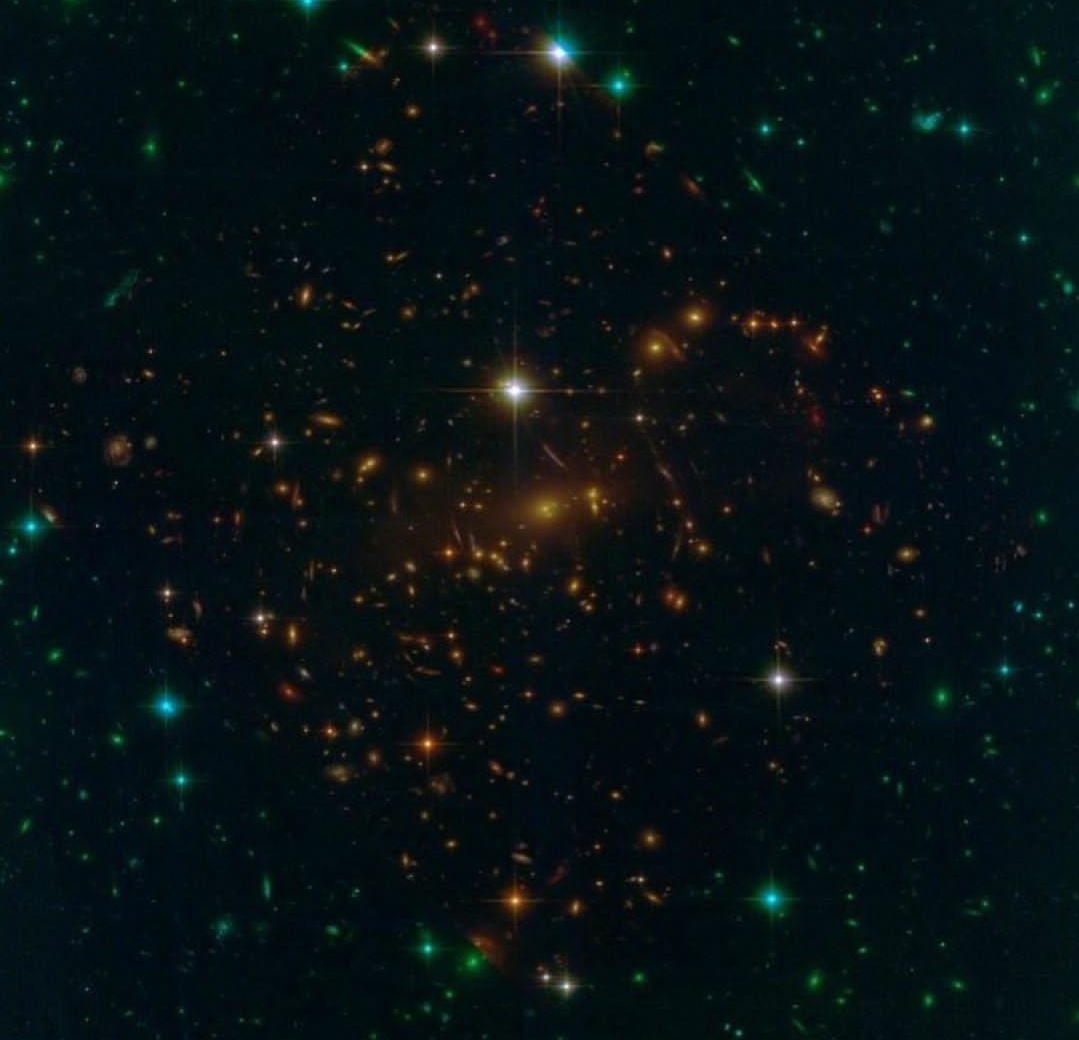
Hubble composite SMACS 0723
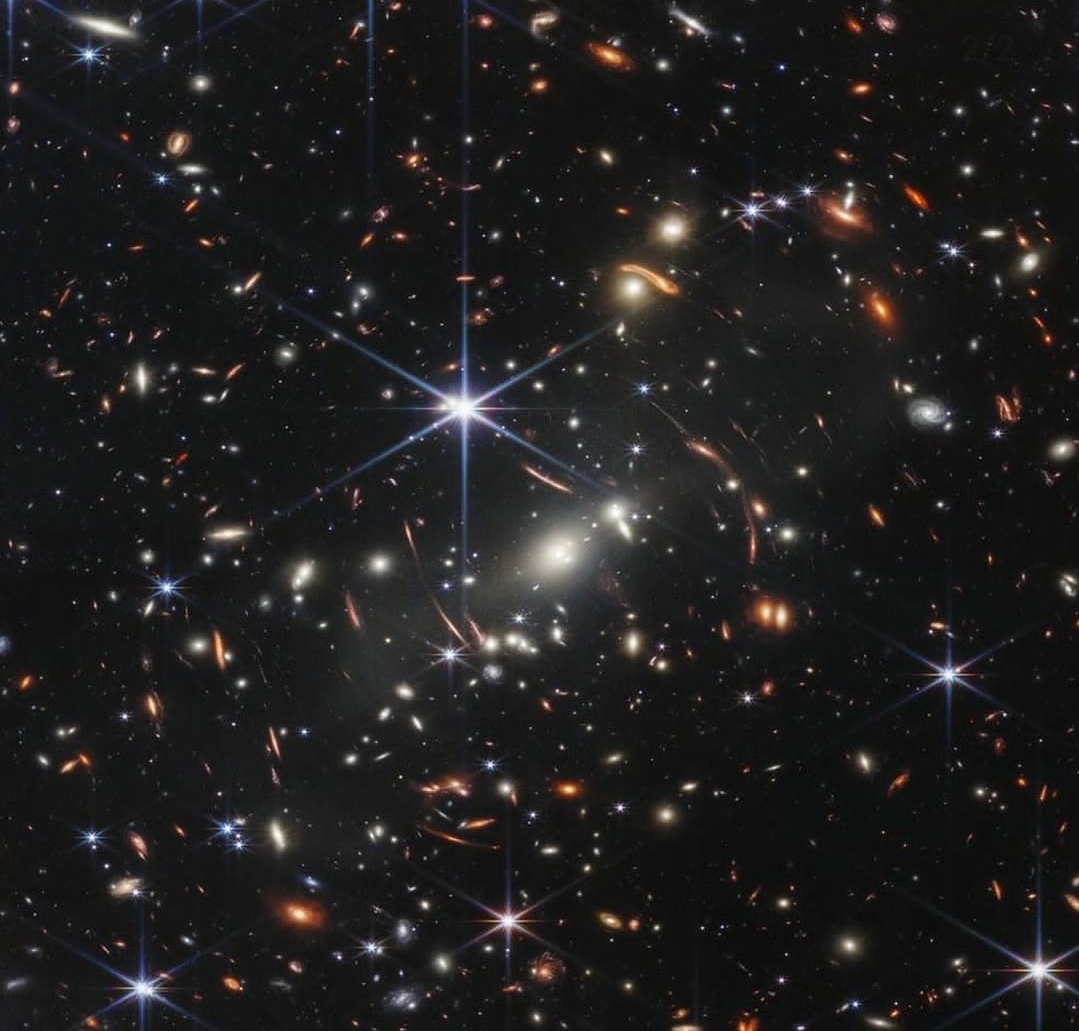
Webb composite SMACS 0723

The above images of galaxy cluster SMACS 0723 (located 4.6 billion light years away) highlights the huge resolution jump from Hubble to Webb.

Webb’s first full colour image took just 12.5 hours of integration time to capture and already reveals detail surpassing Hubble’s deepest field images, some of which took weeks of accumulated processing time.

The area of space imaged in this composite is equivalent to holding a grain of sand to the night sky at arms length. Almost all the individual points of light here are separate and independent galaxies, each containing 100s of billions of stars, and captured in various stages of historical morphology going back as far as 13 billion years (due to the help of gravitational lensing).

While greater mirror diameter and enhanced sensor resolution accounts for much of the extra clarity Webb has over Hubble, it should be remembered that James Webb is an Infrared telescope, so less detail in its deep field images gets obscured by opaque interstellar dust, which can block some of the visible wavelengths of light Hubble sees. Also, visible light that has experienced extreme red shifts (due to the expansion of the universe) can end up stretched into the Infrared, so Webb can look much further back in time than Hubble, revealing some of the oldest first generation galaxies yet seen.

Belladrum 2022 Night Sky Show

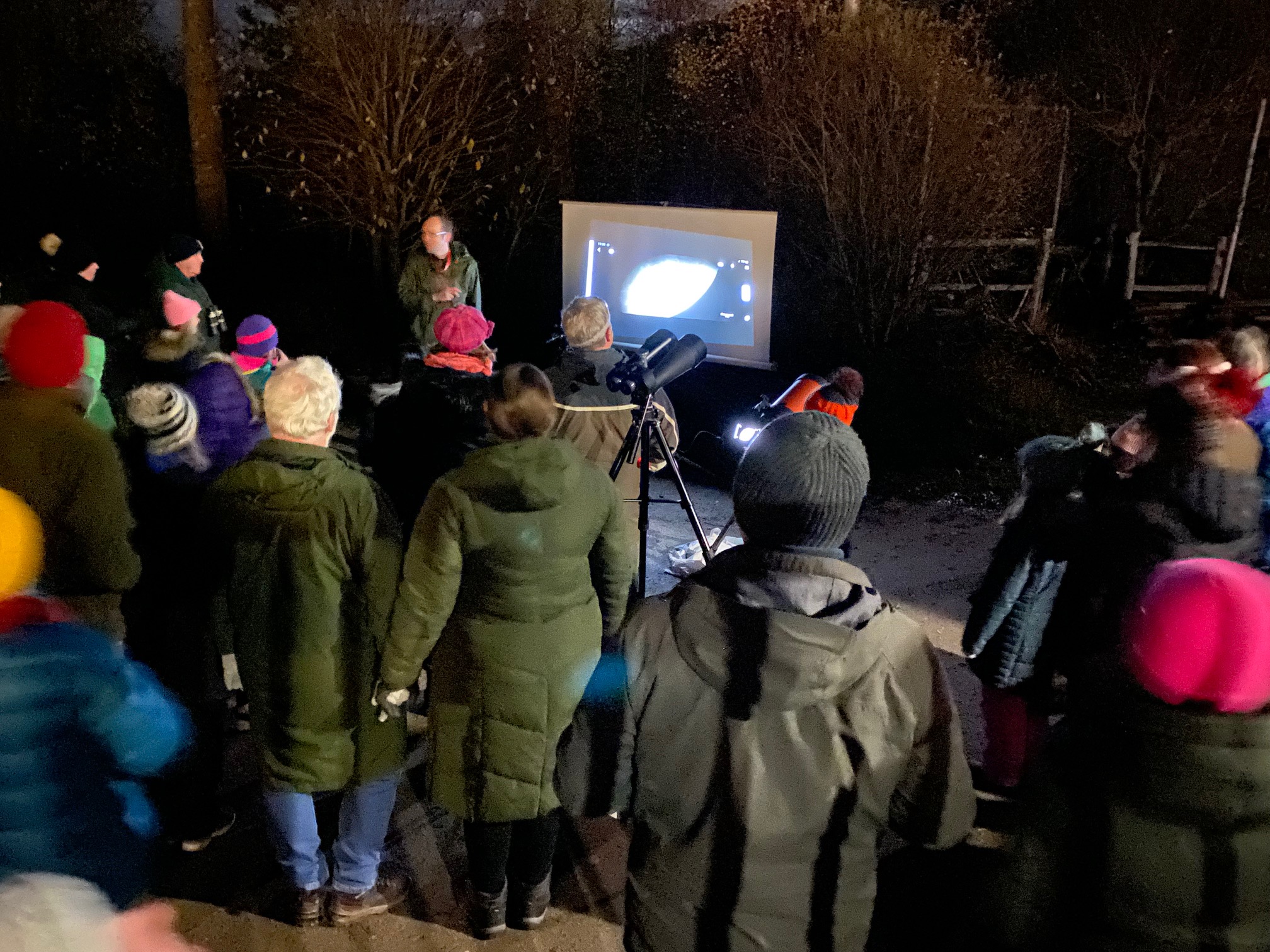
I’m delighted to be hosting my Night Sky Show at the 2022 Belladrum Festival again from 28th – 30th July at 11pm. Learn about galaxies, stars, planets, meteors, satellites and the astonishing history and enormity of our Cosmos.

There’s no Boffinarium this year so my presentation will be located outdoors with laser pointer under twilight skies, with backup projector and screen. Stay tuned for times and festival location.