Join me live to *fingers crossed* observe a partial solar eclipse of the Sun. Weather permitting, I’ll be streaming views live via telescope and hosting some interactive chat and Q&A.
Rough eclipse times on June 10th:
Start: 10.08am Maximum eclipse: 11.20am End: 12.34 noon
Safety: Please remember to never observe the Sun without proper eye protection. Solar glasses are needed to observe naked eye and proper objective mounted filters or projection should be used to observe it in binoculars or telescope.
Congratulations to Prof. Catherine Heymans, who’s been appointed Scotland’s 11th Astronomer Royal.
She replaces John Brown who sadly passed away in 2019.
An expert on dark energy and dark matter, Catherine is also director of the German Centre for Cosmological Lensing at Ruhr-University Bochum.
One of Catherine’s most exciting early initiatives in the role will be to install telescopes in all of Scotland’s remote outdoor learning centres, that are visited by school pupils.
She’s passionate about the cathartic experience of live observing, and how this can drive a lifelong passion for science:
“I don’t think anyone forgets the first time they saw the rings of Saturn through a telescope, but too many people never have the chance.“
“My hope is that once that spark and connection with the universe is made, children will carry that excitement home with them and develop a life-long passion for astronomy or, even better, science as a whole,”.
I couldn’t agree more.
The position of Astronomer Royal for Scotland was created in 1834 and originally held by the director of the Royal Observatory, Edinburgh.
Jocelyn Bell Burnell, president of the Royal Society of Edinburgh, said: “The Astronomer Royal for Scotland has always been a distinguished and respected astronomer, and Professor Heymans is exactly that.”
Mark your diaries for a partial Solar Eclipse on the morning of 10th June 2021 (beginning 10am), visible from many parts of northern Europe.
In the north of Scotland up to 32% of the Sun’s disk will be occulted by the Moon, dropping to 25% in the south of England.
I’ll hopefully be live streaming views of the eclipse from my facebook page so look out for the event links going up soon as well as guides for viewing it safely.
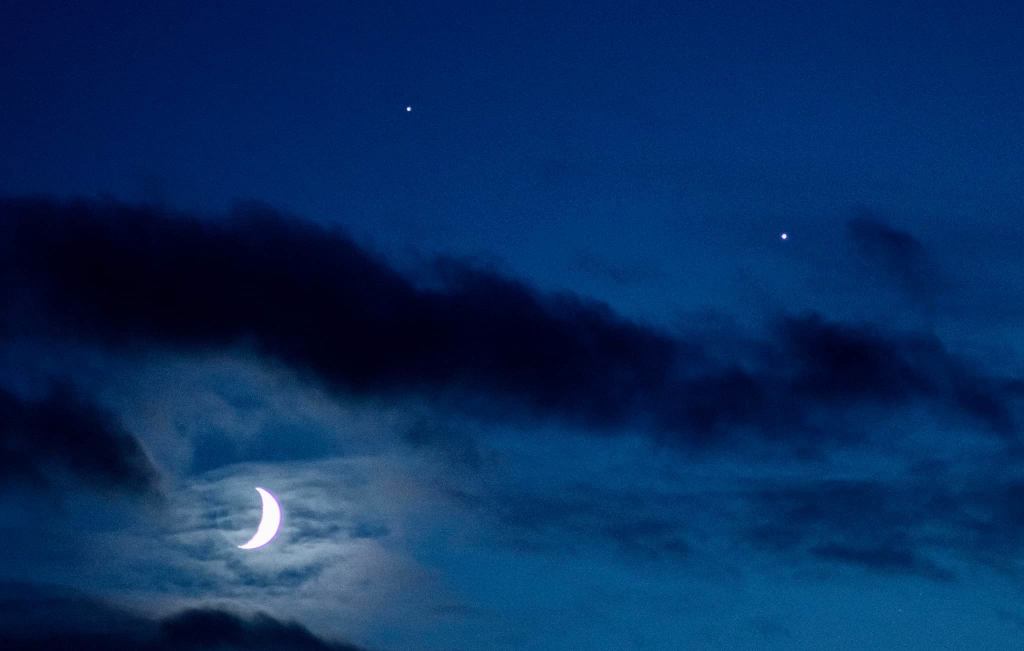
I hope you enjoy this short video about the planet Mercury, which you can currently see during late evening, low on the NW horizon. Mercury is also approaching its maximum evening elongation on the 17th May.
Joining me once again is Steve Owens, astronomer at Glasgow Science Centre and author of Stargazing For Dummies.
In this video podcast we discuss:
1. Tips for observing Mercury safely.
2. Mercury’s phases.
3. The surface geology of Mercury and how this reveals tantalising hints about its history and formation.
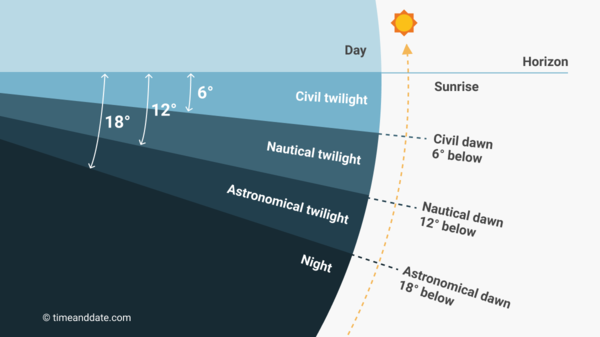
Stargazing is winding down for the year in the far north of Scotland. Today is the last day with official ‘night’ this far north at 57 degrees latitude (Inverness). Between 1.00am and 1.27am tonight you can experience just over 20 mins of night. By tomorrow this will be gone, replaced by astronomical twilight. And by mid May we’ll have lost our astronomical twilight as well.
Orkney and Shetland have already lost all night and are rapidly running out of astronomical twilight.
The further south you live, however, the more darkness you still hold on to. Around Glasgow and Edinburgh you still have 2 hours 30 mins of night (currently from midnight until 2.27am). And at London latitudes you still have a whopping 4 hours and 20 minutes. (from 10.50pm until 3.10am).
As we head into the summer days I’ll be shifting the focus of the page towards the Sun, Moon, bright planets, noctilucent clouds and the near midnight Sun phenomena we experience during the long days from May until August.
Here’s hoping for lots of clear and sunny skies.
Picture: Sunset over Ben Wyvis from the Bunchrew shoreline.
*Night is defied as the Sun sitting 18 degrees below the horizon (see accompanying picture from timeanddate)
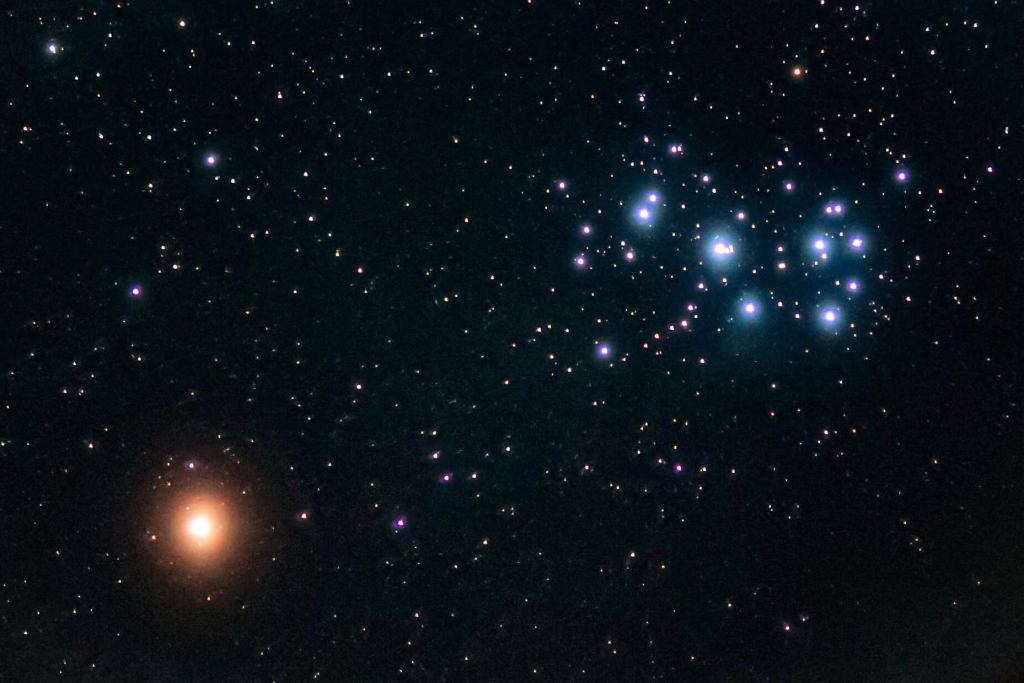
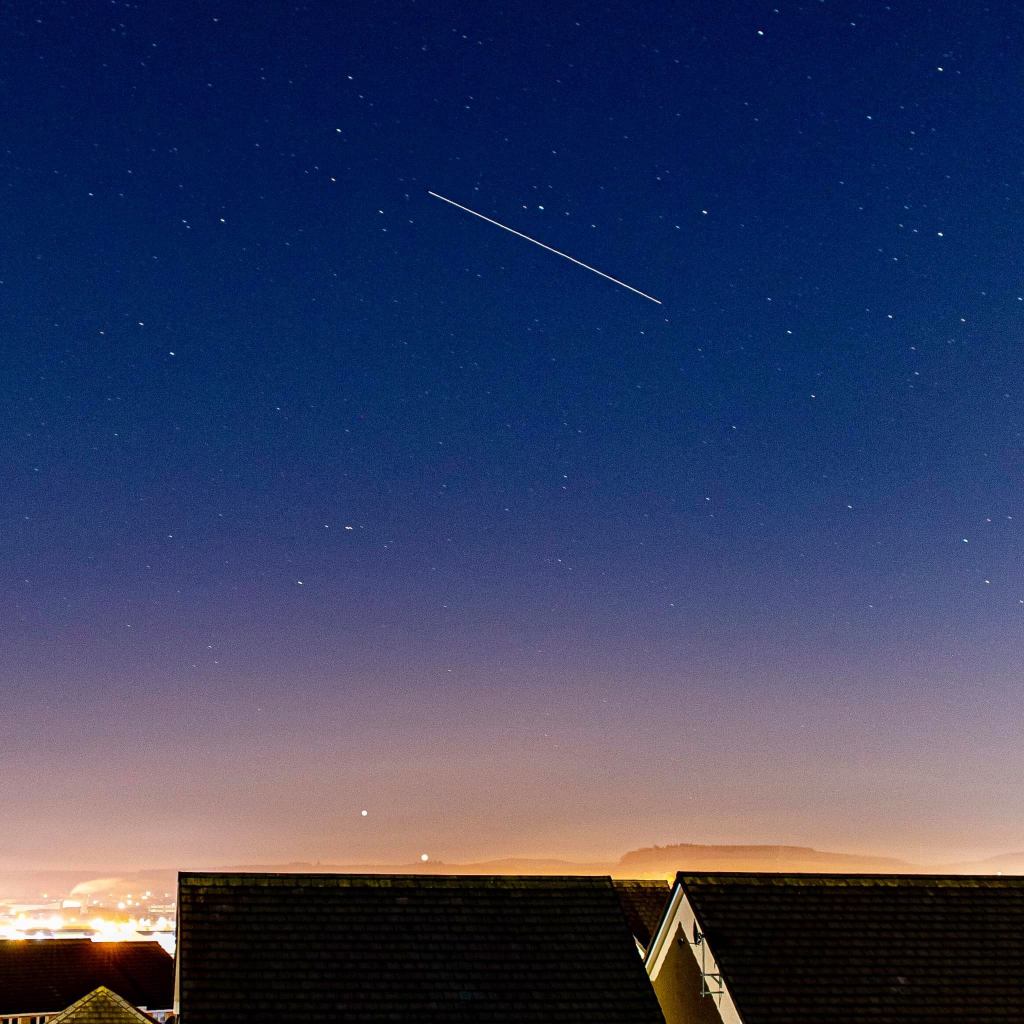
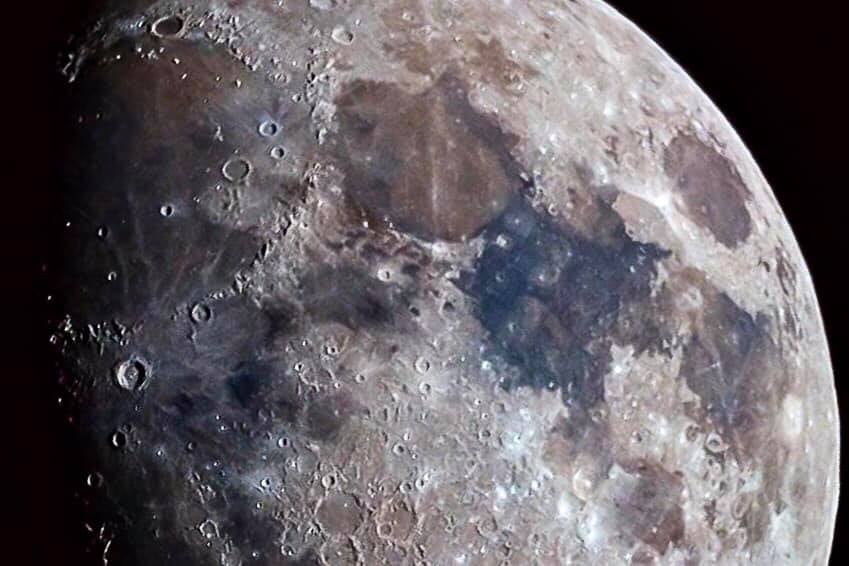
I have some very sad news to share with regular followers of my blog and facebook page. Graham Bell, a prolific skywatcher and incredibly talented night sky photographer, passed away on Wednesday the 21st of April. He was only 35 years old and leaves behind a deeply saddened family including two young boys.
Graham posted so many images to my page and frequently messaged me with follow up pictures, time lapses and general chat about the night sky. He generously let me use many of his compositions during astronomy presentations and I suspect he inspired many people who follow this blog and page with his wonderful pictures.
He was latterly living in Inverurie but always reminded me that he was a proud Ross-shire boy, having been raised in Muir of Ord in the Scottish Highlands.
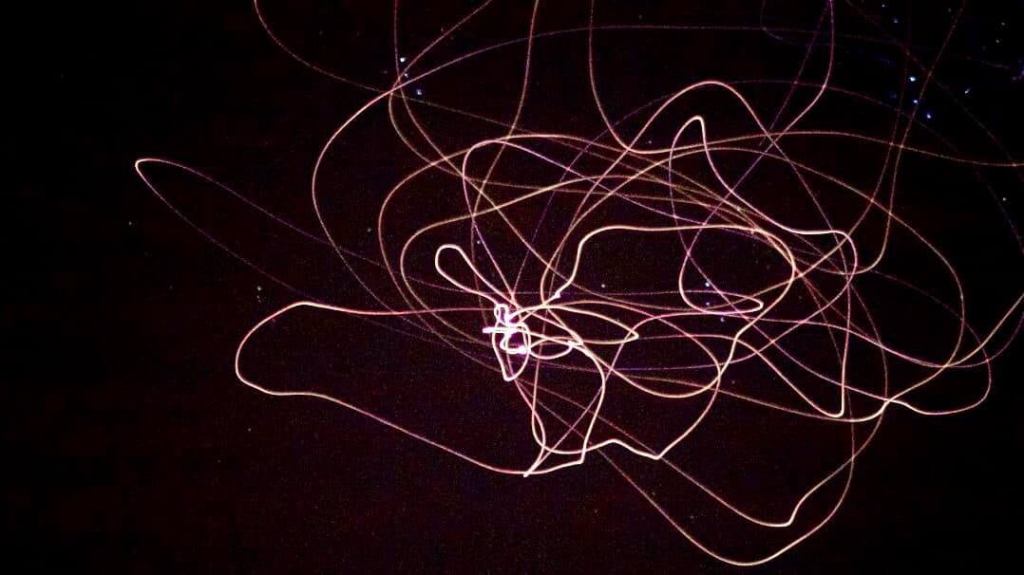
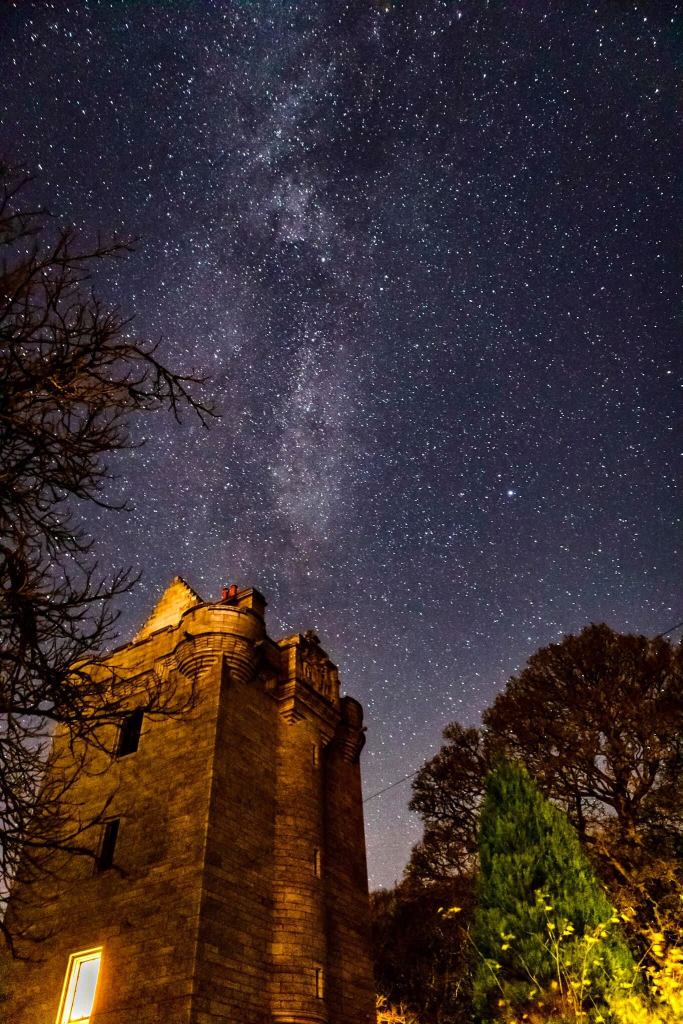
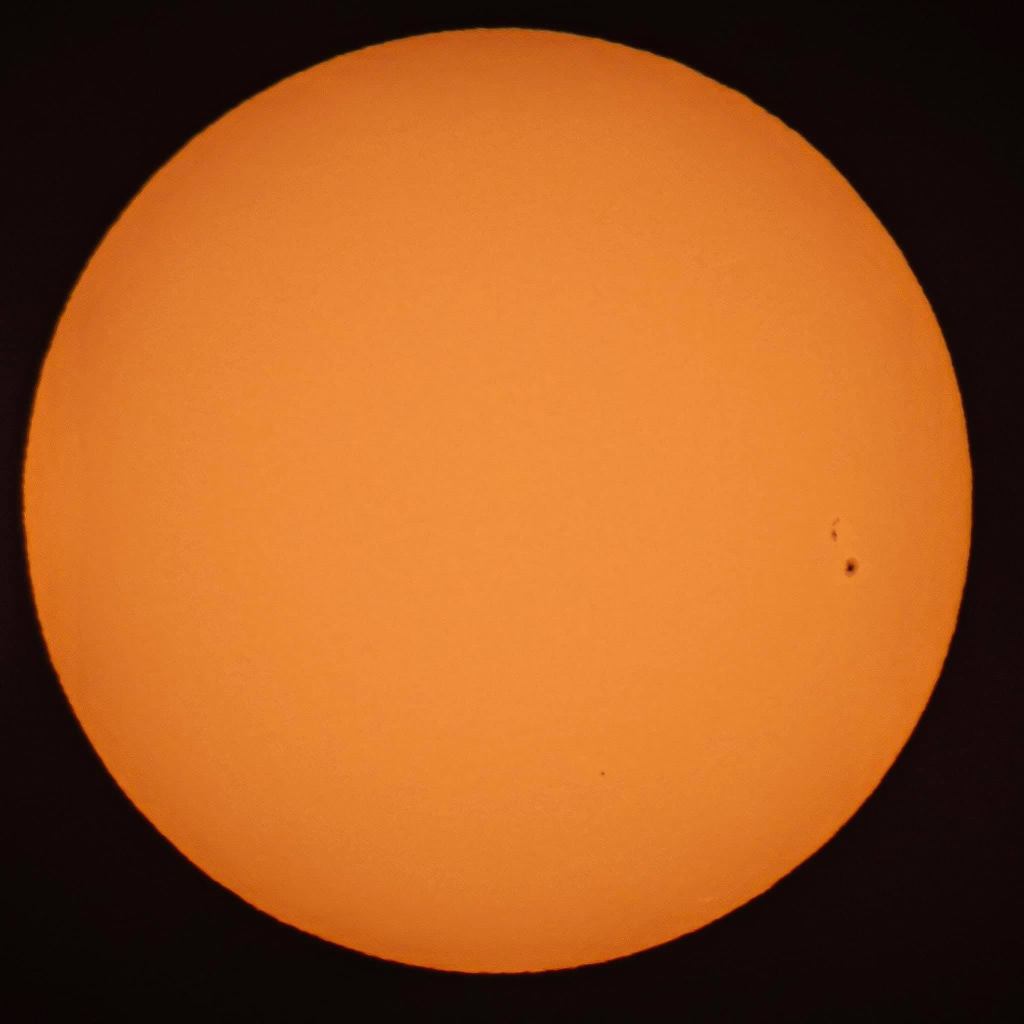
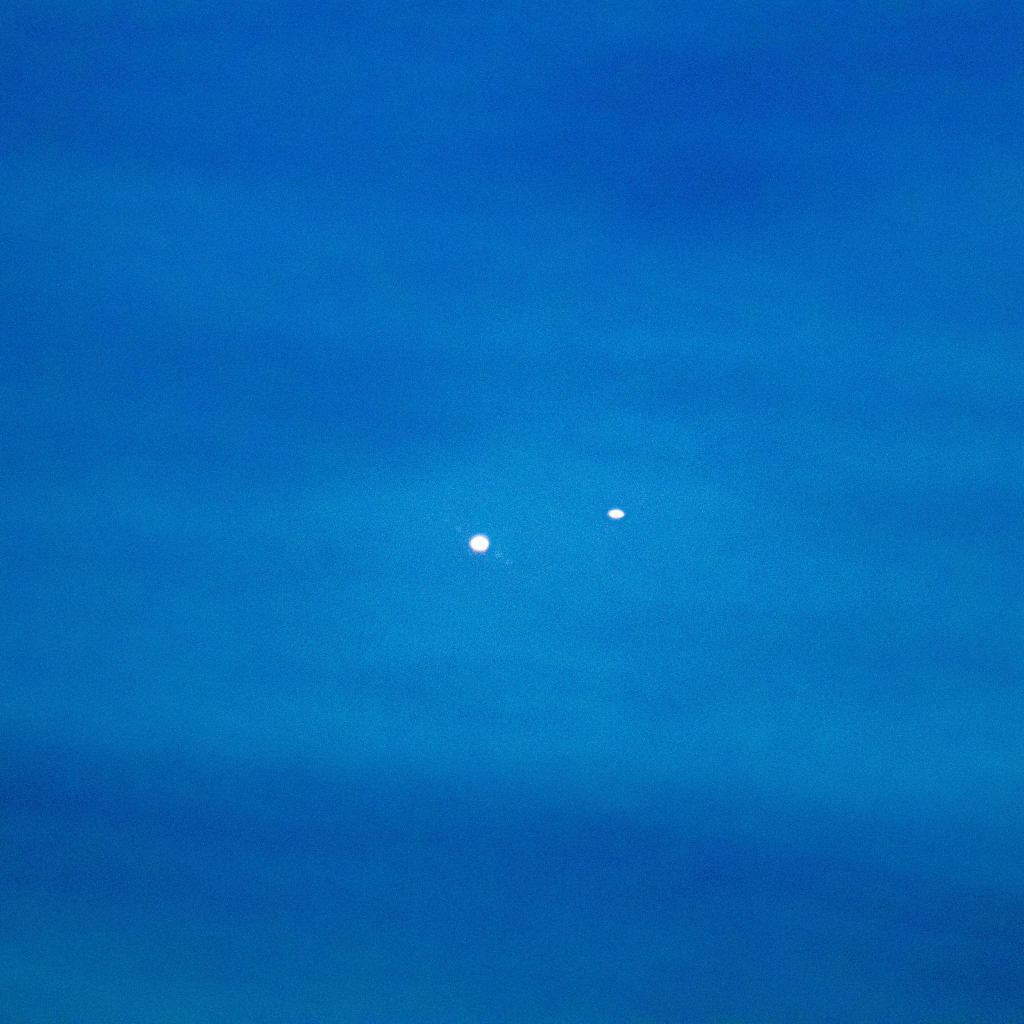
I’ve put together a medley of some of Graham’s images as a mark of respect, and I’d like to thank Graham’s dad David for calling me yesterday to share the sad news.
There’s definitely something timeless about looking up at the night sky and I’d like to think that some part of Graham will always be looking up, camera at the ready. RIP Graham.







 | Modulo | Universe