Stargazing at Abriachan – Scotland’s Night Sky Special

Feb 22nd – Stargazing at Abriachan – Scotland’s Night Sky Special

Join us up at Abriachan Forest (a Dark Sky Discovery site) for a stargazing and night sky photography special as we welcome guest astrophotographer Andrew Allan from Perthshire.

Andrew runs the widely followed community page Scotland’s Night Sky and is a prolific aurora chaser and Milky Way photographer. Andrew’s talk will include tips and tricks on how to photograph a wide range of celestial events, how to forecast the Northern Lights plus images and stories from Andrew’s adventures abroad to Iceland, Norway and Tenerife.

If conditions are clear astronomer Stephen Mackintosh will also be guiding you under the Milky Way class dark skies of Abriachan Forest (with a backup astronomy presentation if clouds roll in).

Due to site and classroom capacity, booking via Eventbrite is essential. Admission is free for under 16s with accompanying adults but please inform Abriachan of any large booking requests.

Eventbrite ticket links are here.
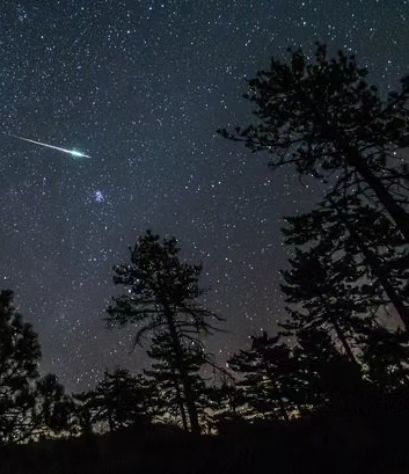
2023 Perseids Meteor Shower Guide

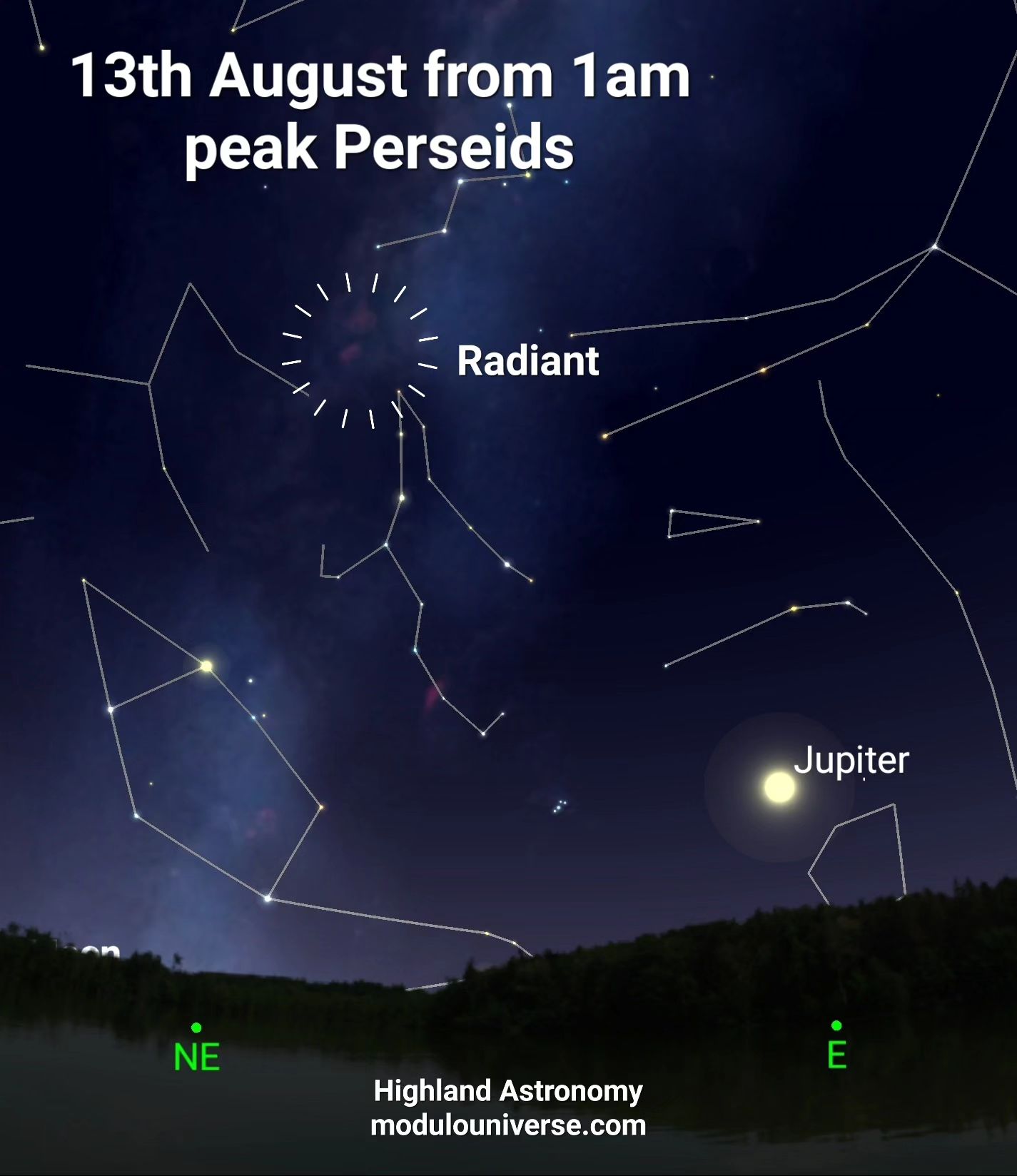
The peak of the Perseids meteor shower will occur in the small hours of August 13th. With the Moon is a slender waning crescent phase, this year will potentially preset ideal conditions for observing one of the most active shooting star displays on the celestial calendar.

Officially the shower is active now so do head out under clear skies any night you can, however peak activity will occur between 11th – 14th August, with the early morning of the 13th predicted to produce absolute peak rates.

Please do not get carried along by the hype from some sectors of the media promising displays of 90 meteors per hour. These rates are under the best possible conditions of darkness, seeing and elevation. If you catch a few zipping shooting stars and some brighter fireballs during your vigil you’ll have had a great night. Go in with low expectations and just enjoy being out under a canopy of distant stars. As you wait the Pleiades star cluster and Jupiter will be on display in the rough direction of the radiant.

Ideally you’ll want it get away from bright city lights and head out somewhere dark with good views of the sky and horizon. After midnight on peak nights should mean the radiant of the shower in the constellation Perseus is suitably elevated in the sky but you don’t need to stare at the radiant as shooting stars will appear to come from random directions.

No special optical aids are needed to enjoy a meteor shower, just your own eyes and some patience.

Good luck and clear skies.

Most Used Astronomy Apps

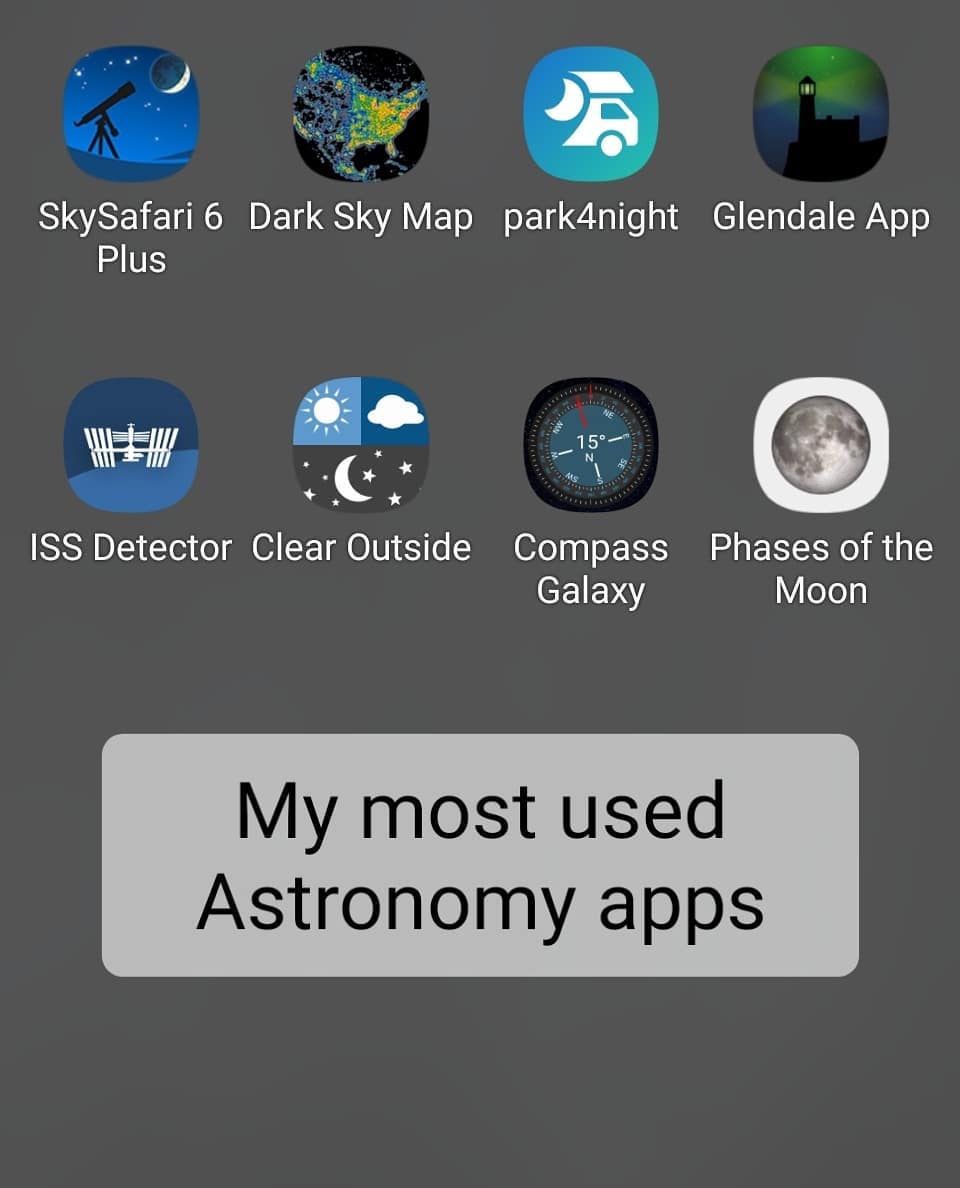
One of the most frequent questions I receive is which apps to use for stargazing and astronomy. Here’s my top 8 most used apps with a brief description of what I use them for.

SkySafari 6 – My main planetarium app that lets me see what’s up on a particular evening and plan my excursions under the stars. It also comes with useful telescope control functionality.

Dark Sky Map – Let’s me see areas of light pollution in my local area and further afield. Essential if you’re planning to stargaze somewhere you’ve never been before so you can guage darkness levels and avoid pesky light pollution.

Park4night – Once you’ve decided on a dark location getting off the road and parked can be a massive headache, especially where I live in the Highlands of Scotland where there’s plenty of dark areas but very little access. This app will show you lay-bys and parking spots for brief stops or overnight parks.

Glendale App – One of the best Aurora alert apps for tracking down the elusive northern lights.ISS Detector – My main app for seeking out and planning International Space Station passes. Works from your home location or anywhere in the world.

Clear Outside – One of the best weather apps aimed at stargazing. Summarises different altitudes of cloud cover, Moon brightness, wind and precipitation and provides you with a simple traffic light system for each night.

Compass Galaxy – I have a Samsung phone but any compass app will do to help you find north out in the field.

Phases of the Moon – The presence of the Moon is a huge deal. For Milky Way observing and deep sky astronomy you want to avoid the Moon and this app will quickly tell you the phase and rise and set times at your local position.

I should add that I’m in no way affiliated with any of these apps or software companies. This is just an honest peek into what I use to help me enjoy the night sky. I hope you find it useful.

Capturing the Northern Lights on your Mobile Phone

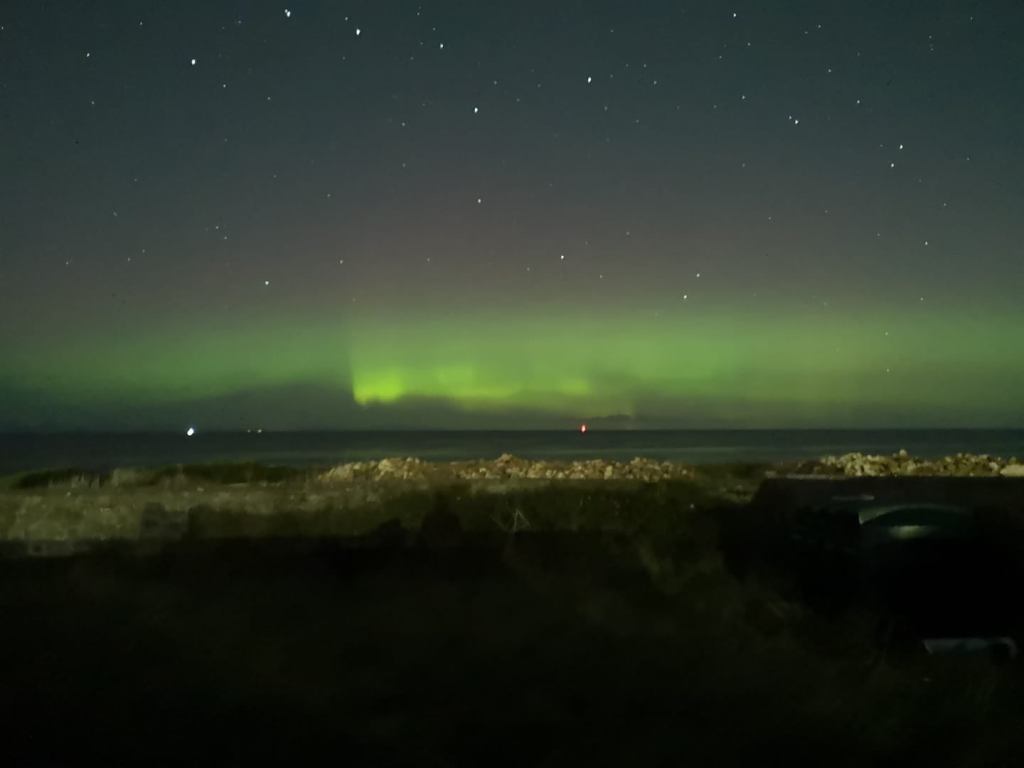
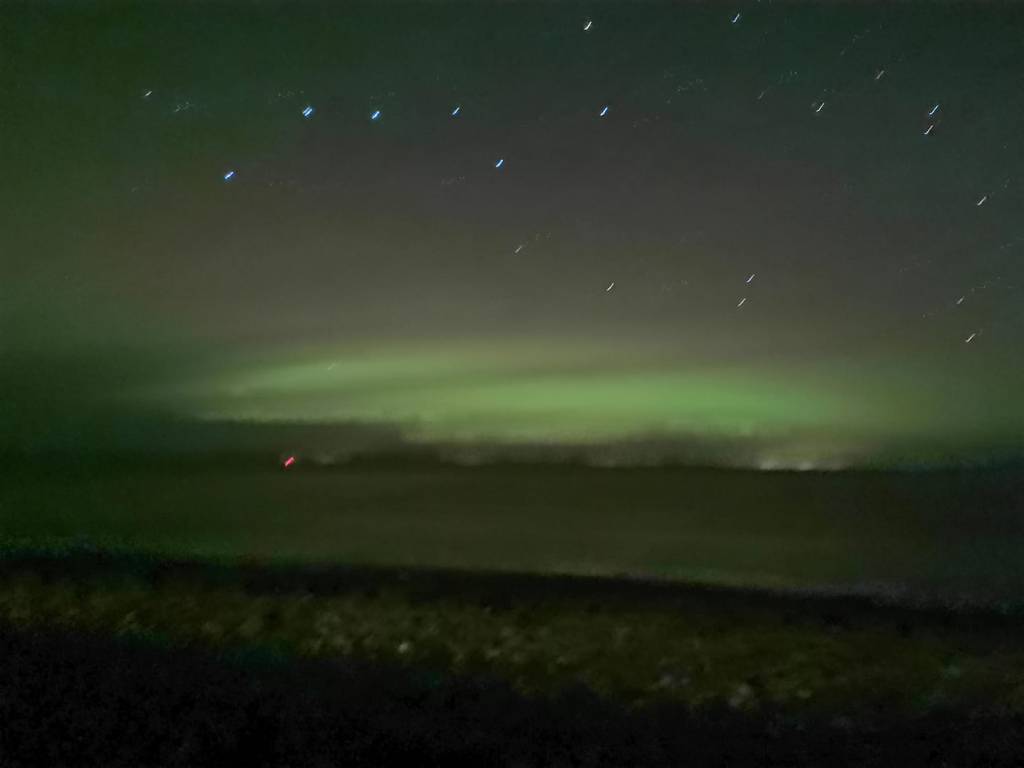
Modern mobiles are now able to take quite striking images of the night sky.

Here’s a few examples people shared from last night’s aurora activity in the north of Scotland.

If you’d like to try it yourself I’ve outlined a few pointers below and some apps you could try.

Settings:

1. Find the ‘manual’ or ‘pro’ setting on your mobile phone, this should let you alter ISO, focus and exposure settings.

2. Boost the ISO to around 800 or higher if you mobile is a more recent model.

3. Alter the exposure time to between 3 seconds – 30 seconds and experiment with a few shots.

4. WIth a short exposure time (a few seconds) you might get away with a handheld shot assuming you can keep you phone still during the picture. Any longer and you’ll need a tripod mount.

5. Good luck.

Phone Apps:

If you’re looking for some apps specifically designed to take astronomy images you could try NightCap (iPhone only) or ProCamX (Android). And if you want to get really experimental there’s also DeepSkyCamera which attempts to stack images for deep sky images (tripod essential).

Good luck and have fun.

Venus and Mercury

85024035_2842536592490527_233392740522524672_o.jpgThis is how low Mercury grazes the horizon at the moment. A superb shot of Venus and Mercury from Will Cheung this evening.

If you want to sight Mercury for yourself the best chance is right now in the early evenings just after sunset.  Using Venus as a guide, scan the low horizon with binoculars or naked eye.  An unobstructed horizon like the one in the picture above is essential.

Clear skies.