If you live in mid northern latitudes there’s an undeniable familiarity to your night skies when facing north. One of the most prominent constellations is Ursa Major with its bright asterism known as The Plough, or Big Dipper. I call this collection of stars the Swiss Army Knife for stargazers, and for good reason. Please watch to find out why.
Music used with permission from Rising Galaxy (Cosmicleaf records, Greece)
A short video guide produced on Friday 6th November but valid for most of November. Covering Mars, Jupiter, Saturn, the Milky Way and the bright asterism known as the Summer Triangle.
Nature Reserve Astronomy evenings will resume online this year, starting end of November with an Introduction to Buying a Telescope + short talk on the planet Mars.
Please follow this page for event links going up over the winter. Some of these events could be broadcast live if weather permits so please keep your page notifications on.
There will also be an Abriachan Forest event on the winter solstice, promoted separately.
Jupiter and Saturn can be seen setting low in the SW during early evenings and you might have noticed they’ve been steadily appearing closer together in the sky. This will continue in the weeks ahead, culminating in a great conjunction in the run up to Christmas.
On December 21st, at their closest, they’ll be just 0.1 degrees apart. That’s only 1/5 of a full moon diameter! With the gas giants appearing this close together you’ll be able to view them under high magnification in the same field of view with your telescope.
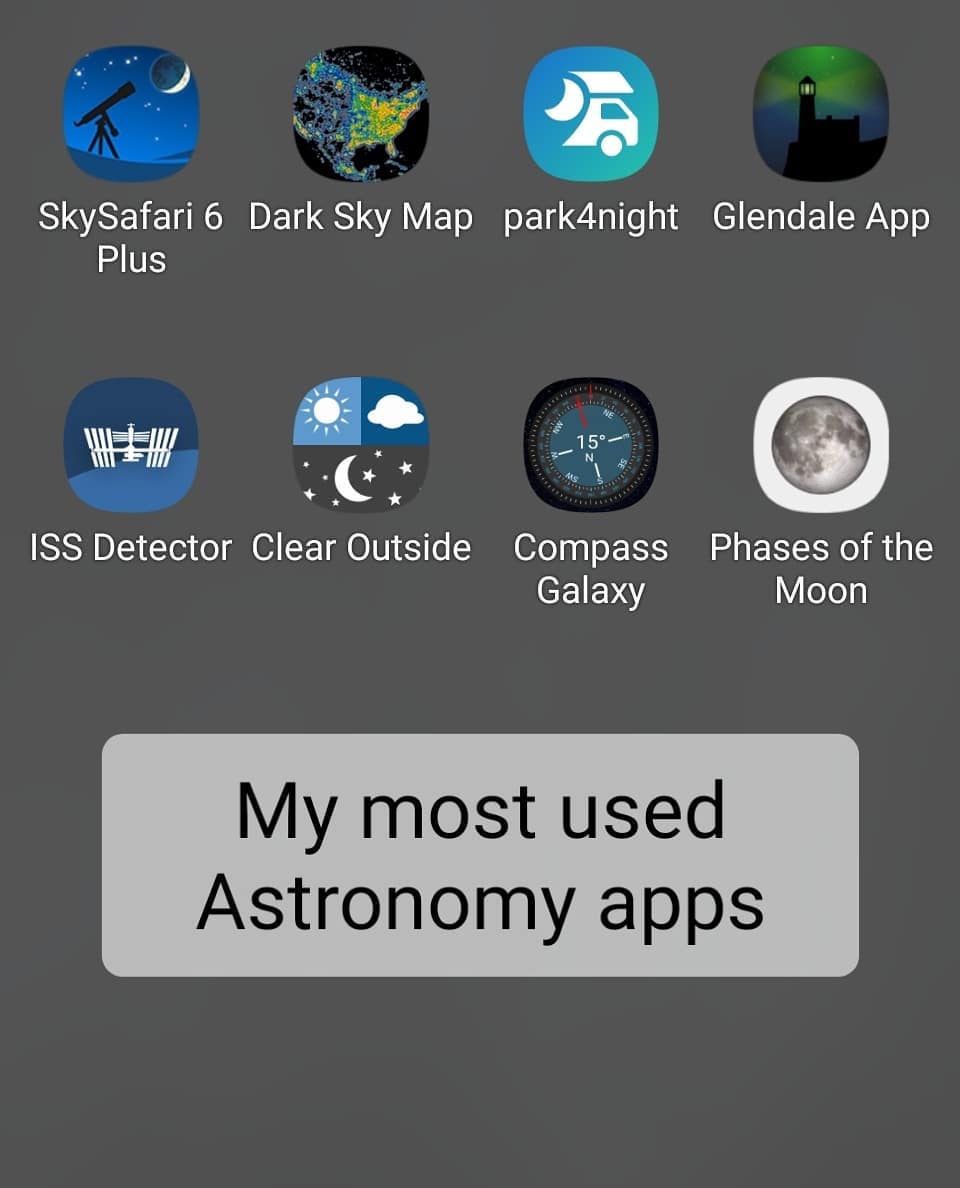
One of the most frequent questions I receive is which apps to use for stargazing and astronomy. Here’s my top 8 most used apps with a brief description of what I use them for.
SkySafari 6 – My main planetarium app that lets me see what’s up on a particular evening and plan my excursions under the stars. It also comes with useful telescope control functionality.
Dark Sky Map – Let’s me see areas of light pollution in my local area and further afield. Essential if you’re planning to stargaze somewhere you’ve never been before so you can guage darkness levels and avoid pesky light pollution.
Park4night – Once you’ve decided on a dark location getting off the road and parked can be a massive headache, especially where I live in the Highlands of Scotland where there’s plenty of dark areas but very little access. This app will show you lay-bys and parking spots for brief stops or overnight parks.
Glendale App – One of the best Aurora alert apps for tracking down the elusive northern lights.ISS Detector – My main app for seeking out and planning International Space Station passes. Works from your home location or anywhere in the world.
Clear Outside – One of the best weather apps aimed at stargazing. Summarises different altitudes of cloud cover, Moon brightness, wind and precipitation and provides you with a simple traffic light system for each night.
Compass Galaxy – I have a Samsung phone but any compass app will do to help you find north out in the field.
Phases of the Moon – The presence of the Moon is a huge deal. For Milky Way observing and deep sky astronomy you want to avoid the Moon and this app will quickly tell you the phase and rise and set times at your local position.
I should add that I’m in no way affiliated with any of these apps or software companies. This is just an honest peek into what I use to help me enjoy the night sky. I hope you find it useful.
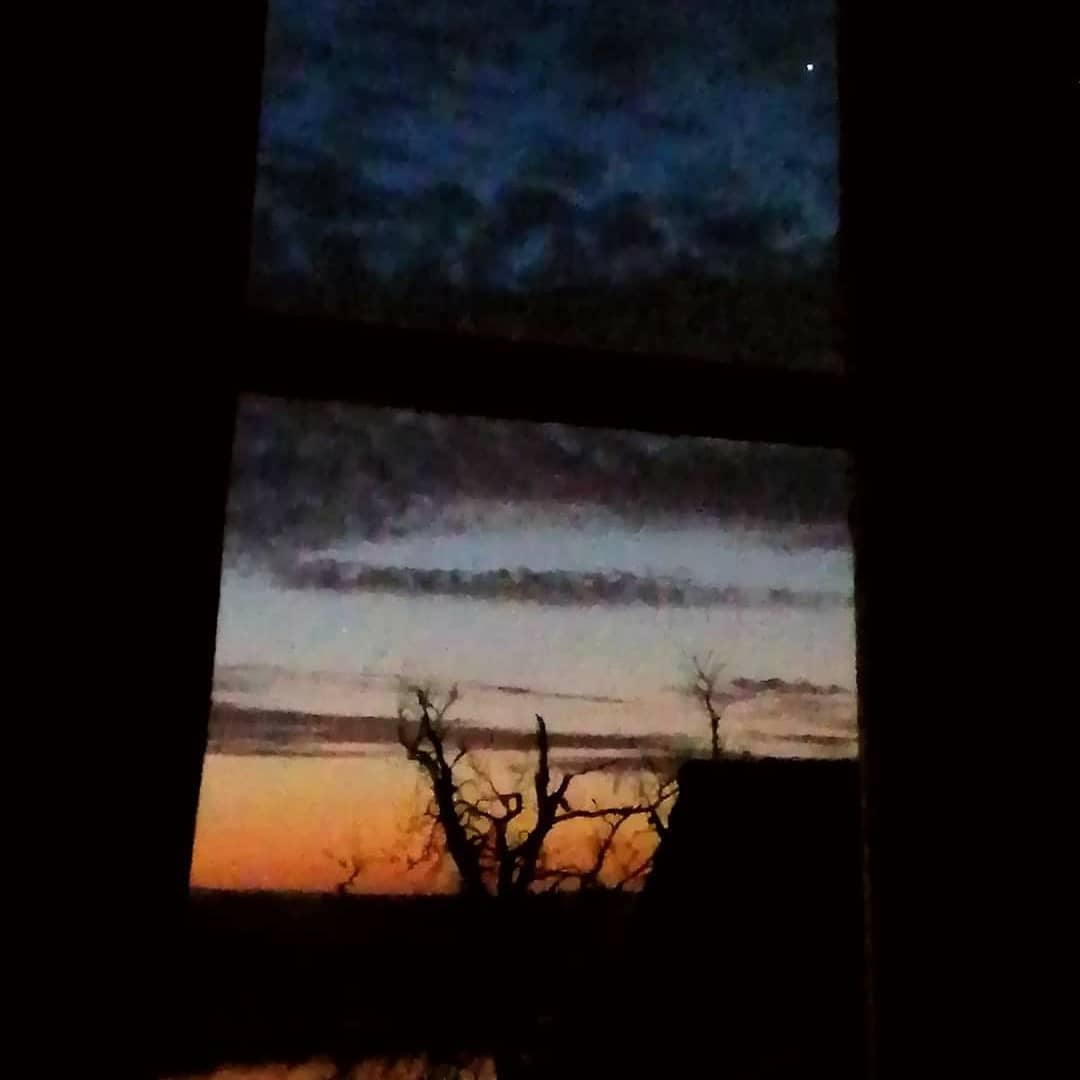
While I shivered this morning trying to find Mercury amidst a blanket of freezing cold mist, Lynsey Gibson fortuitously snapped it from the cozy confines of her bed.
The bright object in the first image is actually the planet Venus, her intended target, but if you zoom in Lynsey’s phone snap has also picked up Mercury. See the second image which I’ve annotated.
This is a great example of how much fainter Mercury is compared to Venus (I usually use binoculars to help locate it) and the power and versatility of smartphone cameras.
Thanks for the share again Lynsey and clear skies everyone.
How can a wood or stone henge be used to track the seasons? Here’s a short video I shot up at Abriachan Forest today where I explain some of the possibilities.
*Abriachan Forest is a Dark Sky Discovery site and one of the best public locations for accessing dark skies in the Highlands.
Look out for a special Star Stories online event for the Winter Solstice.