It’s been a while since I updated my Youtube channel with a review. Bringing you my impressions of the Seestar S50 after a whole winter using it both personally and for public outreach. I hope you enjoy and find it useful.
astrophotography
Video Astronomy with Nexstar 8SE
Over on my Youtube channel I’ve posted a quick introduction to Video Astronomy using inexpensive security cameras like the Samsung SCB2000.
Tribute to Graham Bell – Skywatcher and Night Sky Photographer
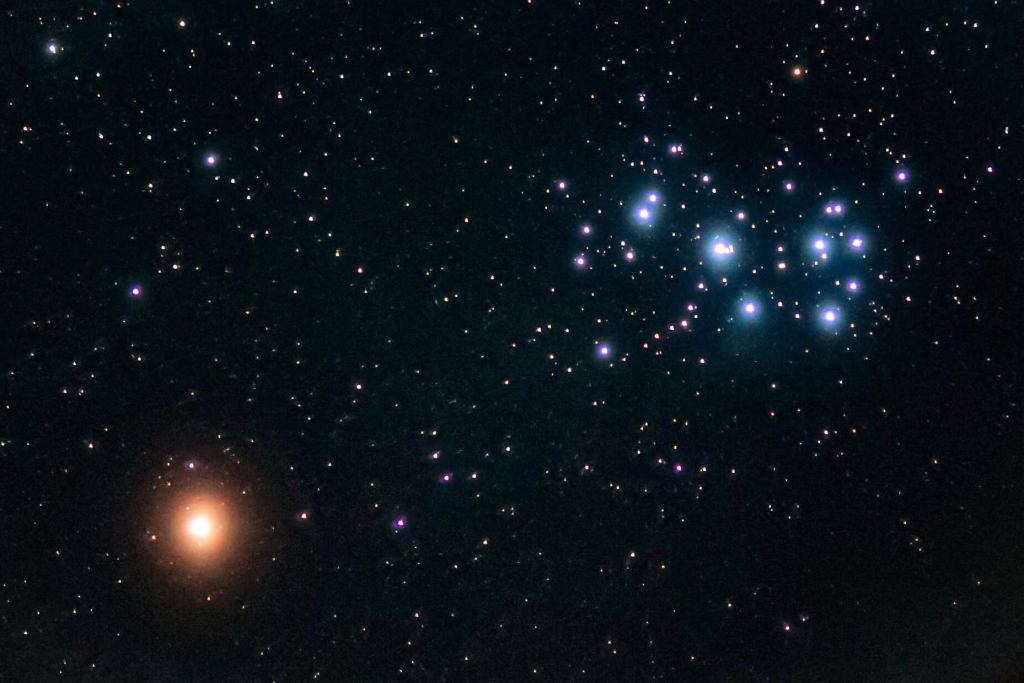
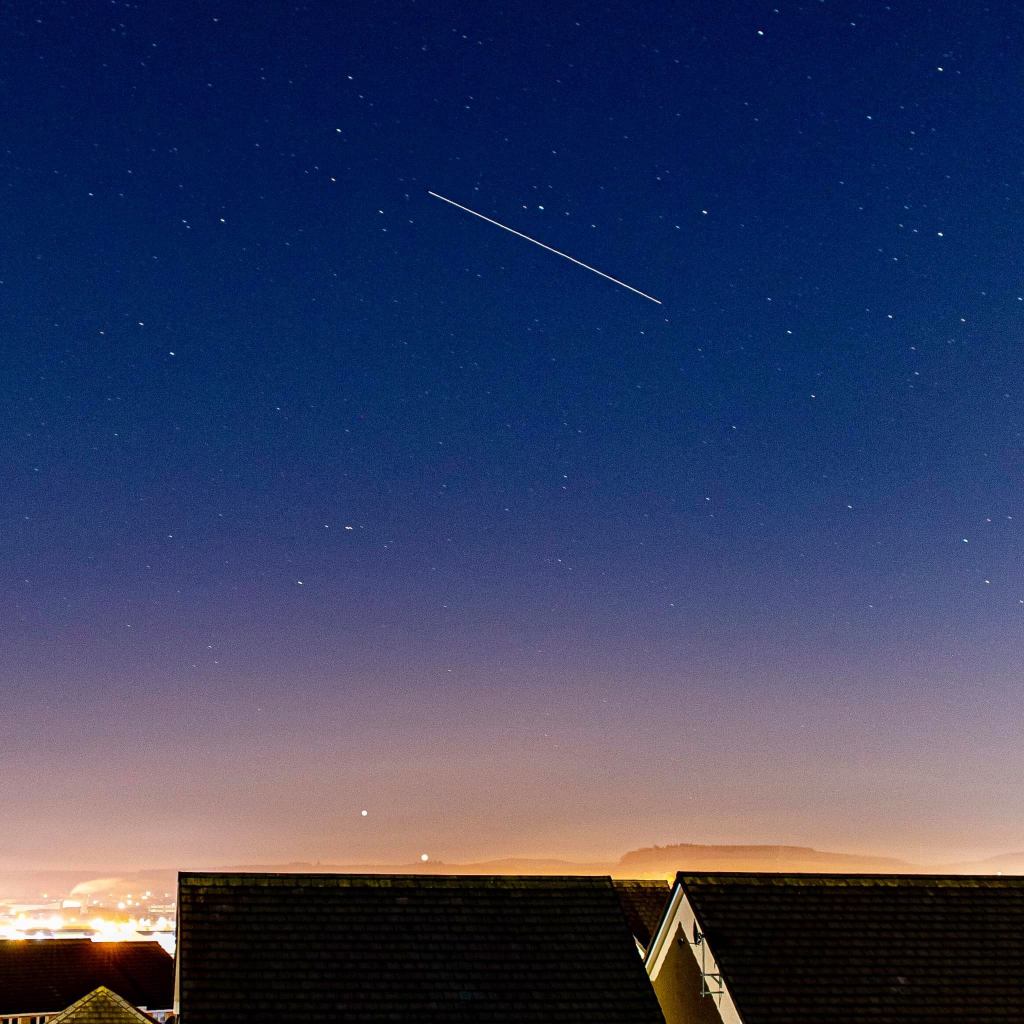
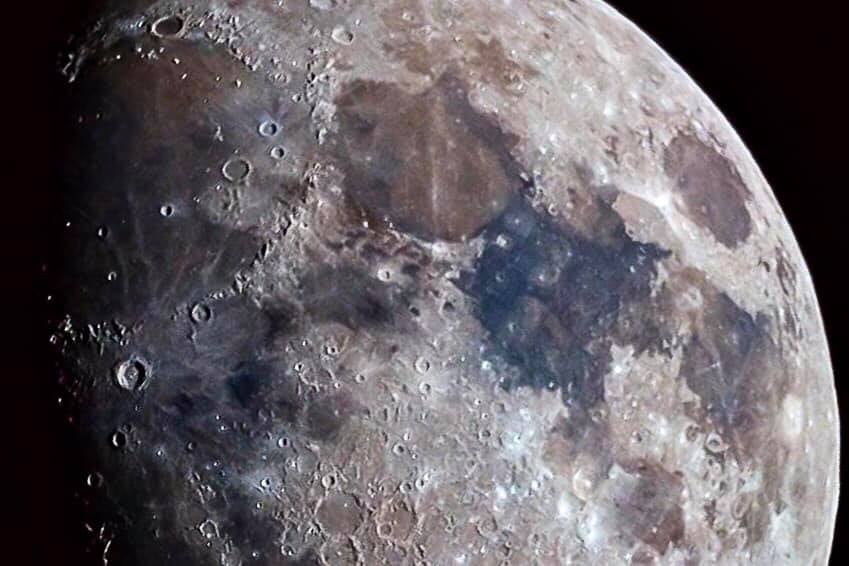
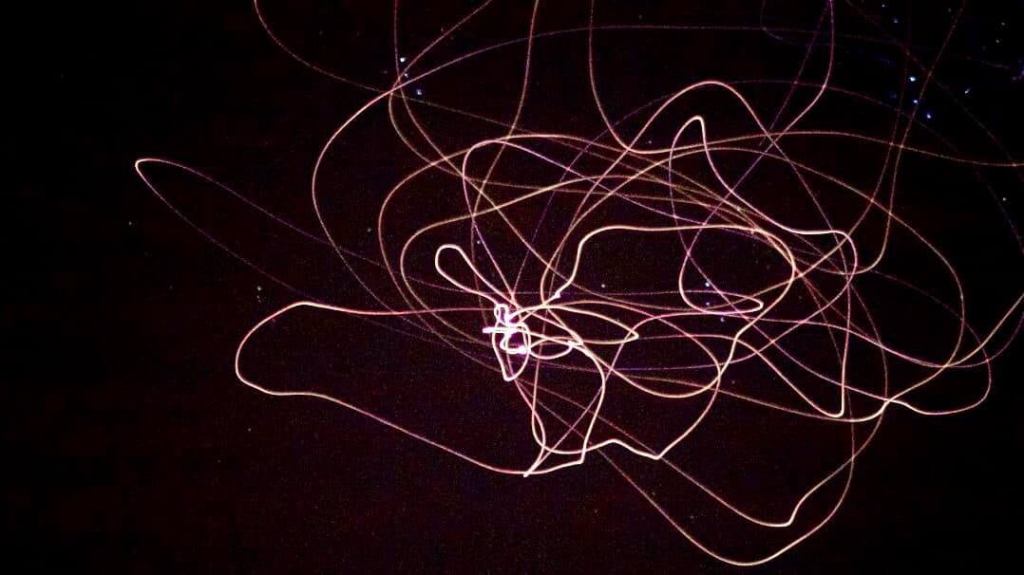

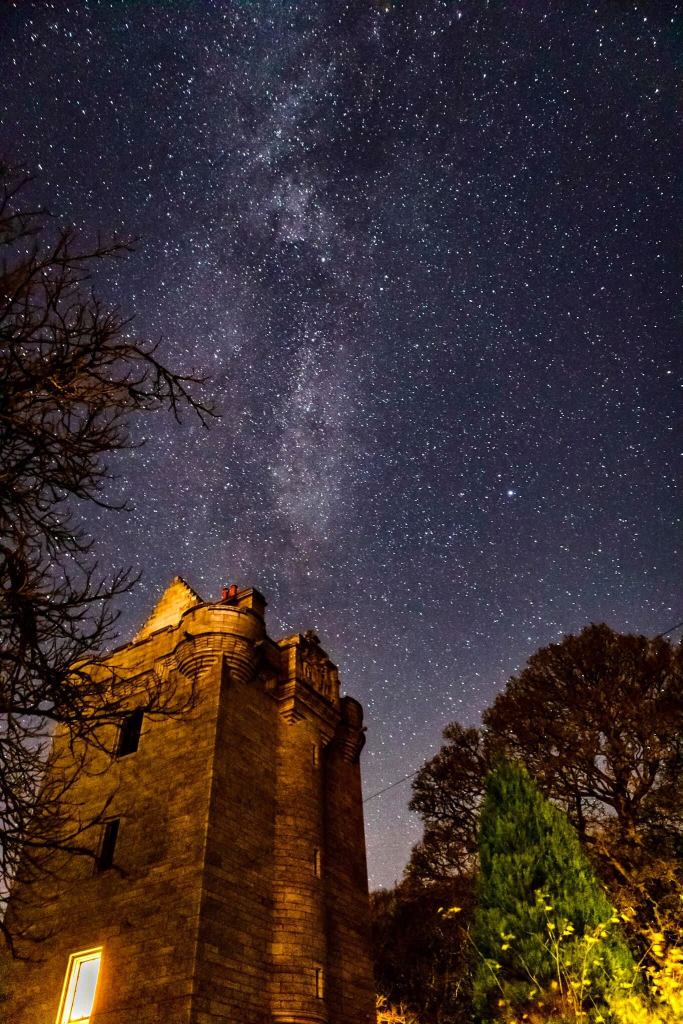
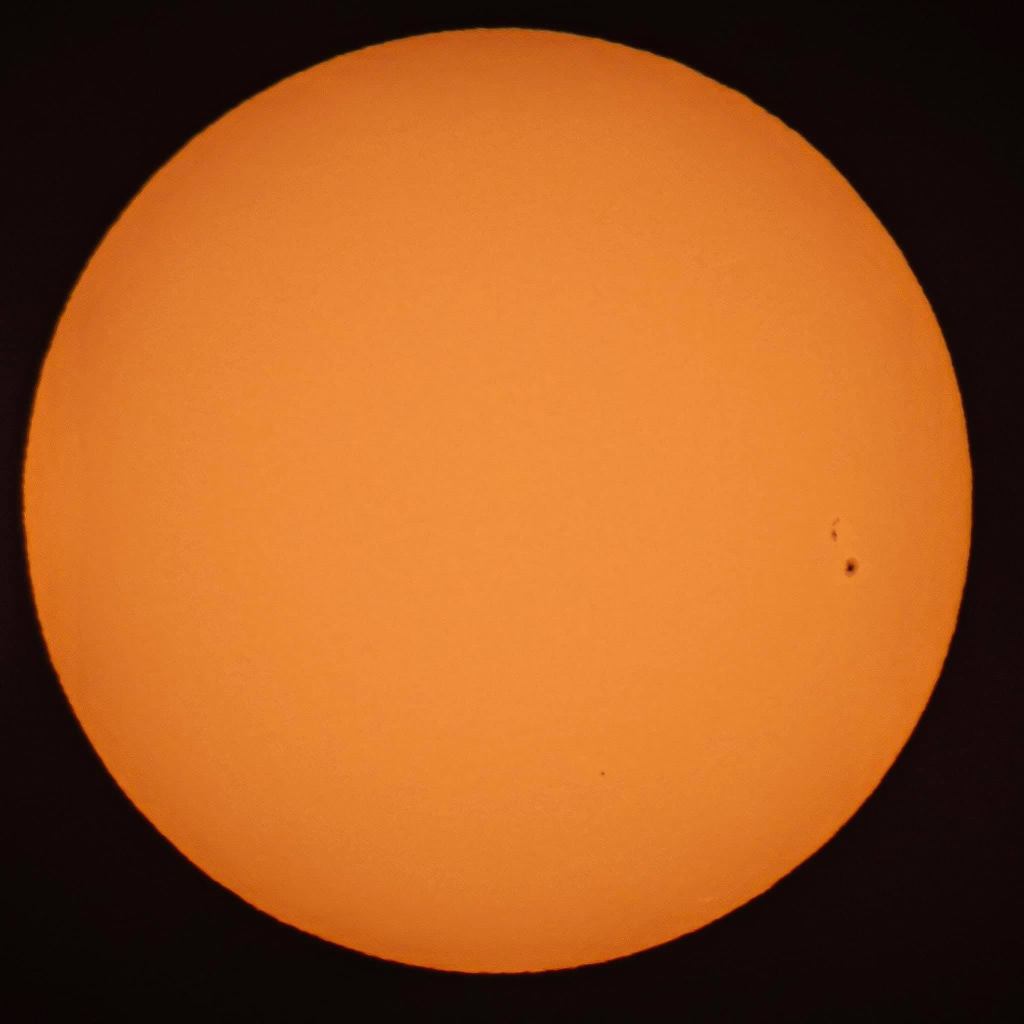

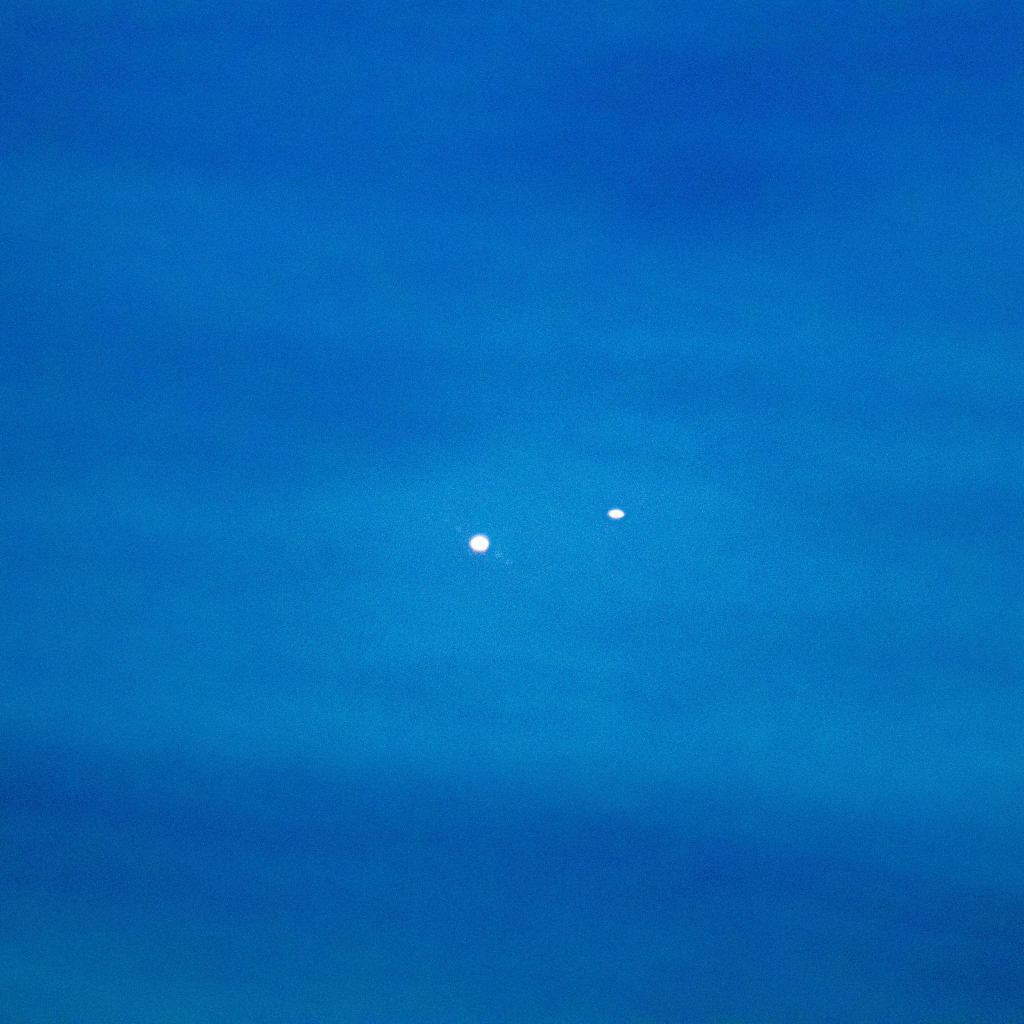


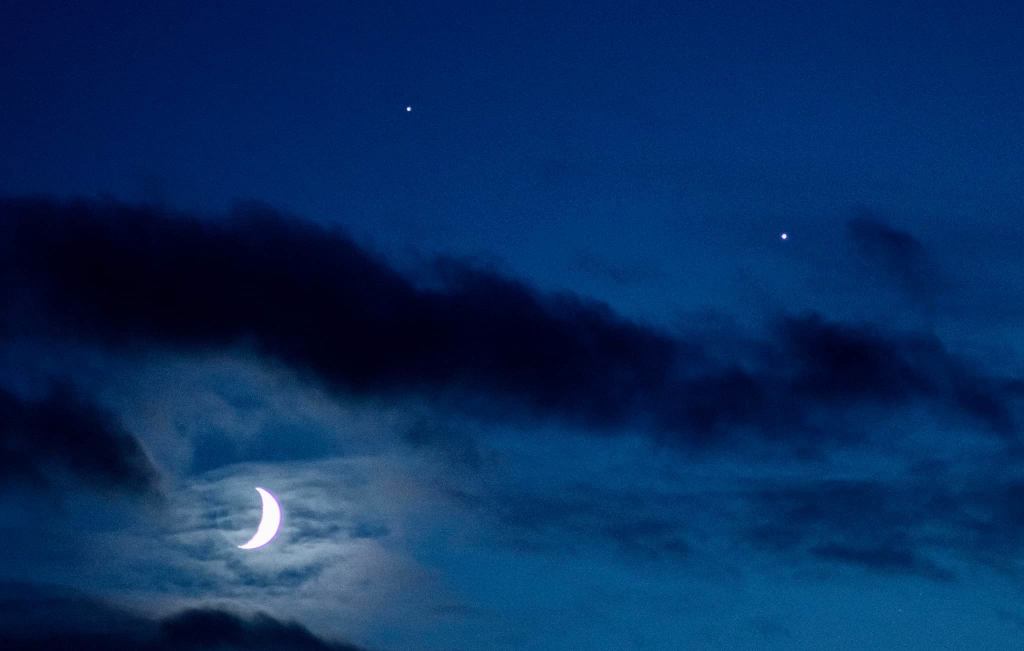

I have some very sad news to share with regular followers of my blog and facebook page. Graham Bell, a prolific skywatcher and incredibly talented night sky photographer, passed away on Wednesday the 21st of April. He was only 35 years old and leaves behind a deeply saddened family including two young boys.
Graham posted so many images to my page and frequently messaged me with follow up pictures, time lapses and general chat about the night sky. He generously let me use many of his compositions during astronomy presentations and I suspect he inspired many people who follow this blog and page with his wonderful pictures.
He was latterly living in Inverurie but always reminded me that he was a proud Ross-shire boy, having been raised in Muir of Ord in the Scottish Highlands.
I’ve put together a medley of some of Graham’s images as a mark of respect, and I’d like to thank Graham’s dad David for calling me yesterday to share the sad news.
There’s definitely something timeless about looking up at the night sky and I’d like to think that some part of Graham will always be looking up, camera at the ready. RIP Graham.
The Veil Nebula

Around 15,000 years ago a star 20 times more massive than our Sun dramatically exploded in a region of space within the constellation Cygnus the Swan.
Since then the shockwave and expanding envelope of ejected stellar material and ionised gas has been racing apart, creating a nebulous structure over 130 light years across. This image, captured by Katie Hughes, from her home in Loch Lomond, is all that remains of this event (a supernova remnant) in visible light.
Thank you very much for sharing the stunning image Katie. Katie has recently started an Instagram page with more of her images. Please visit it here.
Star Stories Astrophotography Special

Eric presenting his guest talk up at Abriachan
There were only a few stars up at Abriachan Forest tonight for our Star Stories Astrophotography special, but some nice early views of the waxing crescent Moon and Venus before the weather really turned and a mini snowstorm descended.
Many thanks to our guest speaker Eric Walker from the Highlands Astronomical Society for delivering a fantastic talk on astrophotography. Eric showcased a ton of amazing images he’s taken over the years demonstrating his passion for astronomy and observing.
Clelland also entertained in the round house with storytelling and we had a nice impromptu discussion about the night sky over the campfire between changeovers.
The next Star Stories is our Vernal Equinox special in March, which will be the last opportunity for dark sky observing this season before the return of longer days.
Eventbrite link here


The Summer Milky Way

The summer aspect of the Milky Way, the great river of starlight marking our home galaxy. A giant stellar disk containing 100s of billions of stars. Photograph by Christopher Cogan, taken near Muie in east Sutherland, Scottish Highlands
Late summer is prime time for observing the Milky Way, and esp. catching the bright core visible near the southern horizon after dark. This bright area marks the central nucleus of our galaxy, some 30,000 light years away..
The Milky Way currently runs between Saturn and Jupiter, both low on the southern horizon, and intersects the three bright stars of the Summer Triangle asterism (Vega, Deneb and Altair). From south It runs overhead and terminates close to the constellation Perseus in the north East.

For the best views you’ll want to get away from urban light pollution, ideally somewhere fairly rural. Let your eyes dark adapt for at least 15 minutes to give yourself the best possible views.
Clear skies.
Crescent Moon above Aldebaran
Quick movie of the crescent Moon during twilight tonight with the giant star Aldebaran appearing below.
This was captured very simply by holding a smartphone to the eyepiece of a tripod mounted pair of binoculars. I hope it illustrates what’s possible with simple setups and smartphone cameras.
Clear skies.
 | Modulo | Universe