
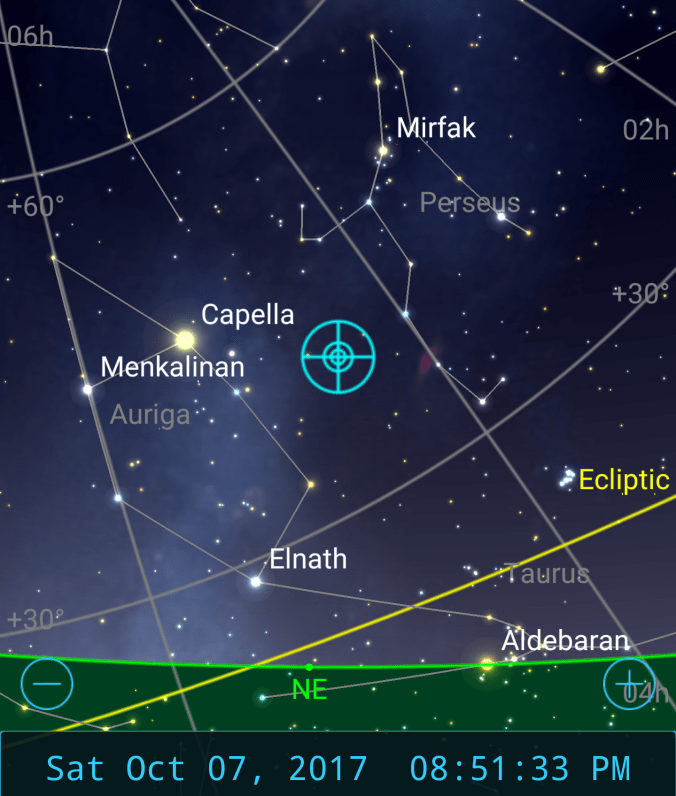
The radiant of the Leonids is in the constellation Leo, but you don’t need to look in that directions to see shooting stars.
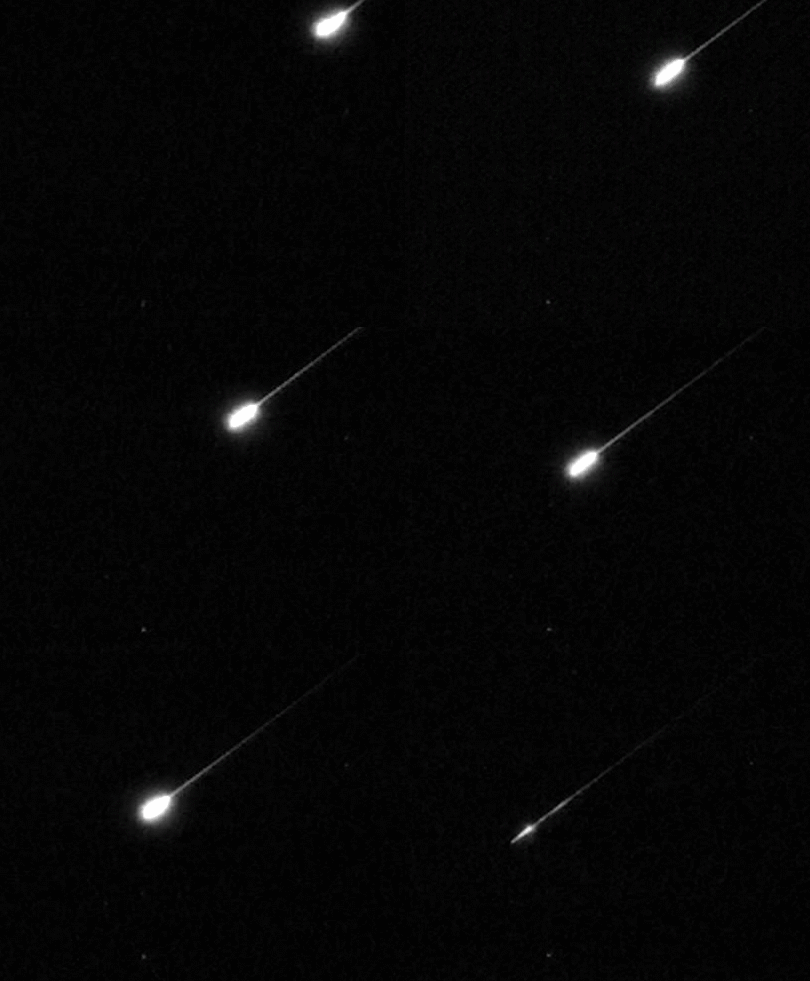
The annual Leonids meteor shower is due to peak over the weekend between 17 and 18th November 2018. Although the waxing gibbous Moon will diminish conditions somewhat it will still be more than worthwhile heading out somewhere dark to observe them. Over the peak as many as 10-15 meteors per hour may be visible. Occasionally meteor showers will erupt into storms, as was the case with the Leonids in November 1833, when 100,000 meteors per hour rained down over an entire evening!
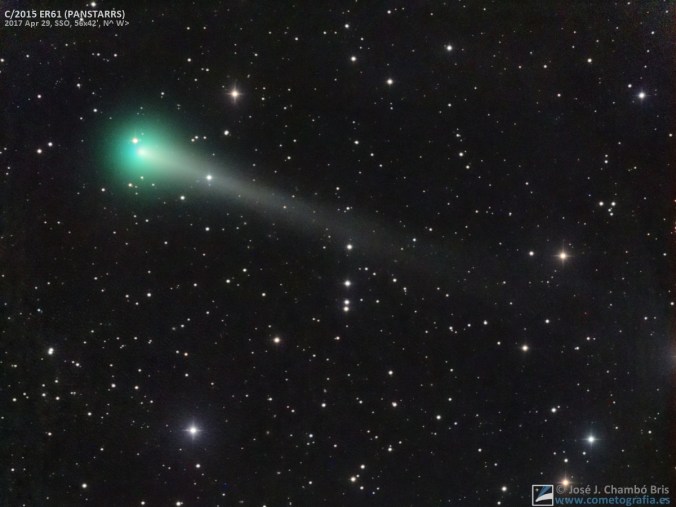
The shower is caused by the Earth colliding with the debris left behind by comet Temple-Tuttle, a short period comet with a period of 33 years. Temple-Tuttle is due to swing past the Sun again in May 2031, when it will once again deposit fine dust trails behind it, seeding future generations of meteor showers.

The tail of a Comet always points away from the Sun. Debris from the Comet’s tail produce most meteor showers, as the Earth intersects the fine dust trails in its annual orbit around the Sun.
Observing the Leonids
You don’t need any special equipment to view a meteor shower, in fact binoculars or telescopes will just narrow your field of view. Grab a deck chair or a warm blanket, prepare a hot drink, wrap up warm and lay out under the darkest conditions you can find. It’s an excellent activity to do alone or if you have children they’ll love an excuse to get outside for some after dark play.
Put away any lights or bright mobile phones and simply look up and wait. Remember it takes up to 30 minutes for your eyes to fully dark adapt and any exposure to bright lights will start the process all over again. If you need a light red touches are best for preserving you night vision.
For optimal viewing, head out after the Moon sets, or in the darkness of the pre dawn sky.
Approximate Moon set times at Highland latitudes this weekend:
Friday night 12.30am
Saturday night 1.30am
You can still see meteors with the moon up but generally only the brightest ones. Early morning viewing will be optimal as Leo (the radiant) is high in the sky then.
Good luck and clear skies!
 | Modulo | Universe