Star Stories Impact

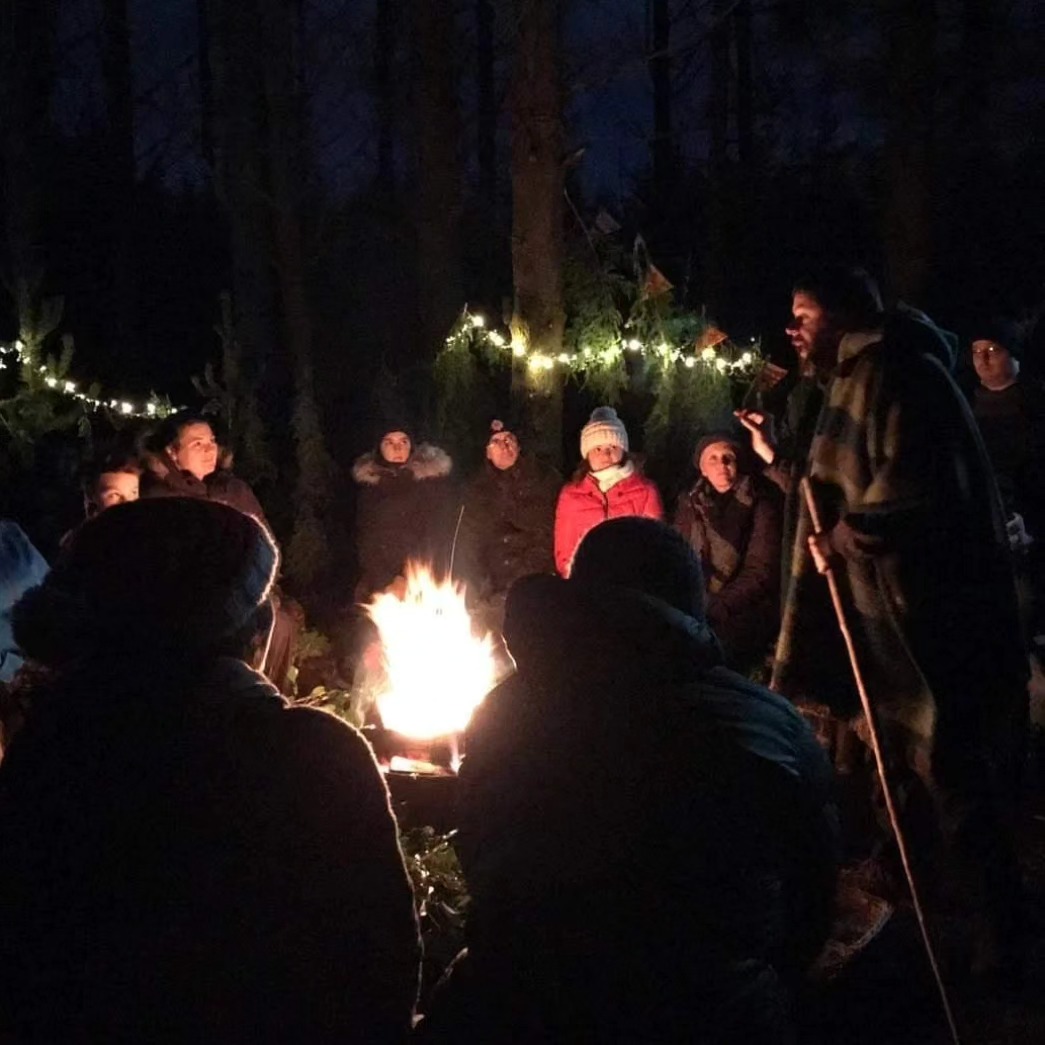
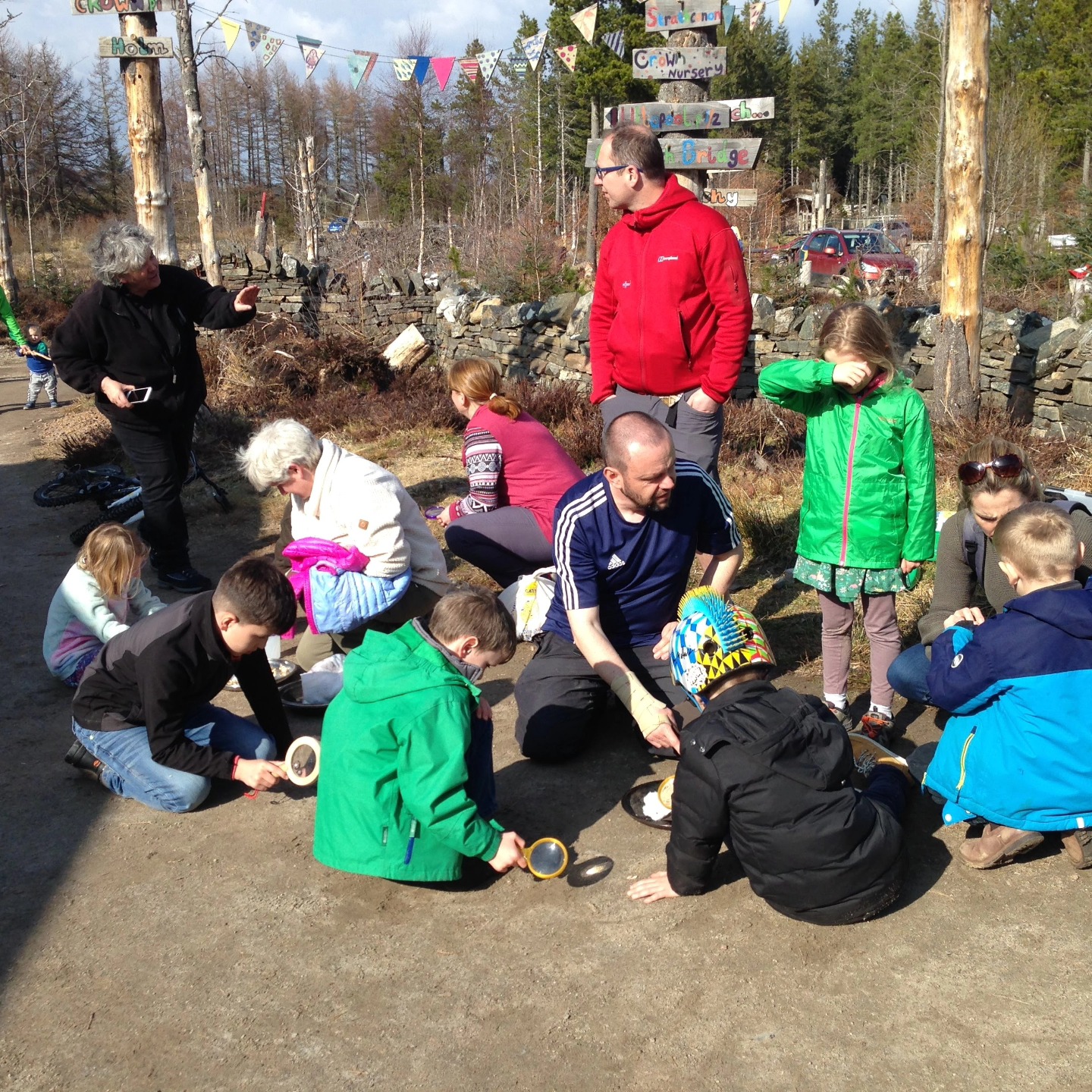
Here’s some facts and figures highlighting the impact of the Star Stories astronomy programme, running up at Abriachan forest since 2018 (after a pilot in 2017). As principle researcher for the Spark Award grant I’ve been sharing impact data with STFC, who’ll use it to better target future funding for science and astronomy outreach.

Impact Summary

  • Over 40 face to face events delivered
  • Close to 1800 total attendees
  • Highland Astronomy Facebook community grown to 14,000 followers
  • Wide geographical distribution (see map)
  • 40% of attendees Under 16s
  • Balanced engagement between male and female
  • Local schools, scouting and astronomy organisations engaged with
  • High quality home baking by @Judith Mackintosh

Examples of astronomy topics and themes explored during the events:

Meteors, Venus, Life of Stars, Saturn, Aurora, Variable Stars, Night sky photography, Buying a Telescope, Orion, Island Universes, Scale of the Universe, Mesolithic Stargazing, Renaissance Astronomy, Globular Clusters,Summer and Winter Solstice, Moon, Gravitational Waves, Multiverses, Lord Kelvin, Age of Universe, Planetary Nubulae, Black Holes, Space Telescopes

Astronomy speakers:

  • Martin Hendry
  • Steve Owens
  • Graham Bradshaw
  • Maarten De Vries
  • Claire Rayne
  • Anthony Luke
  • Eric Walker
  • Catherine Haymans
  • Stephen Mackintosh
  • Glasgow Science Centre team

Storytellers:

  • Barbara Henderson
  • John Burns
  • Suzann Barr
  • Trish Matthews
  • Daniel Allison
  • Allis Balance
  • Chris Holland
  • Fiona Macdonald
  • Clelland McCallum
  • Gordon MacLellan

Key Findings

  • To engage wide audiences try to blend science and culture.
  • Binoculars are an empowering and inexpensive tool to access the night sky with large groups
  • Well managed social media pages are a great way to build communities and drive engagement
  • Audiences, particularly young people, are highly engaged by very challenging and abstract cosmology (don’t dumb down)
  • The ‘wonder’ of the night sky is a highly motivating vehicle to increase engagement in science and mathematics

The Future

Star Stories is now a well established astronomy outreach programme within the Highlands, close to the city of Inverness. Its events continue to sell out each season . Our new programme of events will kick off at the start of the 2024 winter season in October. We look forward to expanding the scope of the work, reaching new audiences and developing new and exciting content that will forge a bridge into science, mathematics and astronomy.

Strong Northern Lights

Here’s a slightly shaky camera image I took from my home in the west of Inverness late on Saturday night. This is the strongest I’ve seen the Aurora from suburban Inverness. The glow was clearly visible naked eye with a bright arc and scintillating movement over the Black Isle.

There’s some speculation this display was connected to a large CME that erupted from the Sun on Thursday. While this is possible events like this are notoriously hard to predict with huge uncertainty in the transit time and direction of these high energy particle ejections from our home star.

Northern lights are not as rare as people think, especially in northern Scotland. The main impediment to seeing them is the simple fact that many people spend the winter evenings indoors. If you go for regular extended walks away from city lights and can find a good vantage facing north your chances of seeing aurora will increase significantly.

Inverness Nature Reserve Astronomy Evenings

Nature Reserve Astronomy evenings will resume online this year, starting end of November with an Introduction to Buying a Telescope + short talk on the planet Mars.

Please follow this page for event links going up over the winter. Some of these events could be broadcast live if weather permits so please keep your page notifications on.

There will also be an Abriachan Forest event on the winter solstice, promoted separately.

Observing the Moon

Here’s a video (with some voice over) I shot last night when out Moon gazing from my back garden.

I never ever regret the tiny effort and time investment involved in digging out my binoculars or telescope to have a look at the Moon.

Clear skies.

Future Astronomy Outreach

64803835_2273594972756823_2288411197248110592_n

A human henge – mid summer at Abriachan

Some good news regarding future face to face astronomy programs, delivered up in the Scottish Highlands. All of this is caveated on the assumption that live gatherings are legal and safe at the end of this year.

Next season (from November) I’ll be continuing to work with Caroline Snow to deliver our Urban Astronomy programme based out of the Friends Of Merkinch Local Nature Reserve in Inverness (with the Sea Scouts hall as our indoor base of operations). These events have been growing in popularity and we’re really glad they’re going to continue.

50032030_2235072910062982_812443491249422336_o

Merkinch Moon gazing

Star Stories will also continue from Abriachan Forest (Dark Sky Discovery Site) with Suzann, Clelland, Ronnie and the rest of Abriachan Communityteam. The STFC spark award funding is due to end this season, but the programme will continue on a sustainable footing with events (hopefully) starting in November. This whole programme has been a massive success and I look forward to completing my research report for STFC with dissemination for various astronomy publications.

48391432_2218564645047142_1033928692641824768_n

Clelland in action

I’ll also continue my hotel based outreach work for the likes of The Torridon and appearances at various festivals, whenever it’s safe and practical to do so.

Screen Shot 2018-12-16 at 13.02.29

Some future plans are also underway, including an outreach programme with much bigger scope that will involve various partners and potentially some innovative new technology.


Supernova night at Inverness Nature Reserve

Image may contain: night and sky

The main constellations were visible over the Merkinch nature reserve in the west of Inverness, and even a hint of Milky Way.

We had a great evening at the Merkinch Urban Astronomy gathering tonight.  Big thanks to Dr Anthony Luke for delivering a fascinating talk on the chemistry of stars and supernovas. We learnt all about the synthesis of elements and compounds forged in the heart of stars.

Afterwards we were rewarded with clear skies, so I led a group up to the nature reserve for a blustery stargazing session over the Beauly Firth.

Overlooking the water we had lovely views of Orion, the Pleiades and even a hint of the Milky Way and the Andromeda galaxy.

The next event is an Aurora Special on Feb 20th with guest Graham Bradshaw.

Galileo and the Moon

DSC_0005.jpeg

The waning gibbous Moon

I had a fun evening delivering a Moon talk and observing session for members of the Highland Italian Society in Inverness last night.

After an indoor presentation we headed outside where the waning gibbous Moon was on full display, plus a generous sprinkling of brighter stars.

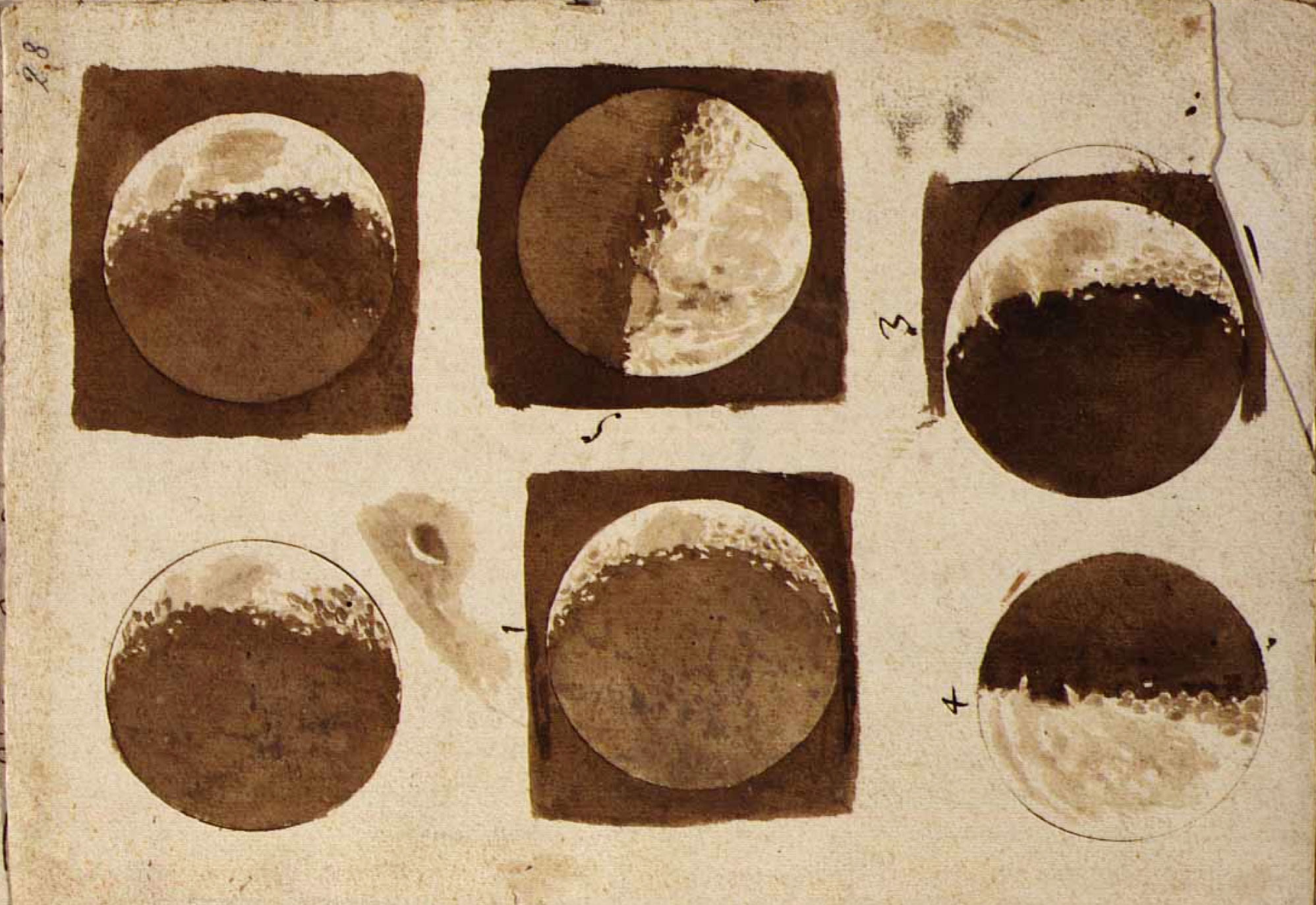
I set up a big pair of tripod mounted 100×20 binoculars to replicate the stunning views Galileo saw when he first sketched the lunar surface in detail – captured in his Sidereus Nuncius. By then his telescope could achieve x20 magnifications, enough to reveal topographical detail along the Moon’s terminator.

Here’s some of the very early sketches Galileo made of the Moon at this time (from the Siderius Nuncius).

156-galileo-iii.jpg

Galileo’s early Moon sketches using his x20 magnification refractor

Unfortunately I had to refuse the generous amounts of wine on offer after the session as I was driving home. I left wondering if Galileo did his observing with a large glass of Chianti in hand?

The Highland Italian Circle meet on Inverness on the third Friday of the month from October to March. If you’re interesting in attending their gatherings please contact May Gillan on 01463 223563 or email maygillan@aol.com.