Christmas Wirtanen Sighting

DSC_0007.jpg

Comet Wirtanen to the left of bright Capella, above Bunchrew, Inverness

I’m almost always rewarded in some form when I head out to observe, even in less than perfect conditions.  As it happened I knew comet Wirtanen was in a favourable position over Christmas and close to the 6th brightest star Capella.  I posted about it on Facebook here.

Despite the unfavourable early rising of the Moon and some patchy skies on Christmas eve I decided to take a short walk in the woods over Bunchrew, in the off chance I might catch the comet.

When I was sufficiently well away from the western lights of Inverness I looked up, and there was the comet faintly visible in binoculars.  Not the clearest I’ve seen it this year, but probably under the darkest conditions.

The took the picture above before I continued my walk, with the comet and Capella sitting above the trees.

Happy comet hunting!

Mercury and Jupiter Conjunction


Mercury.png

Have you ever seen the planet Mercury with your own eyes? It’s notoriously difficult to catch being situated so close to the Sun and often hard to pinpoint. You’ll only ever see it as a tiny disc in binoculars, very close to sunrise or sunset.

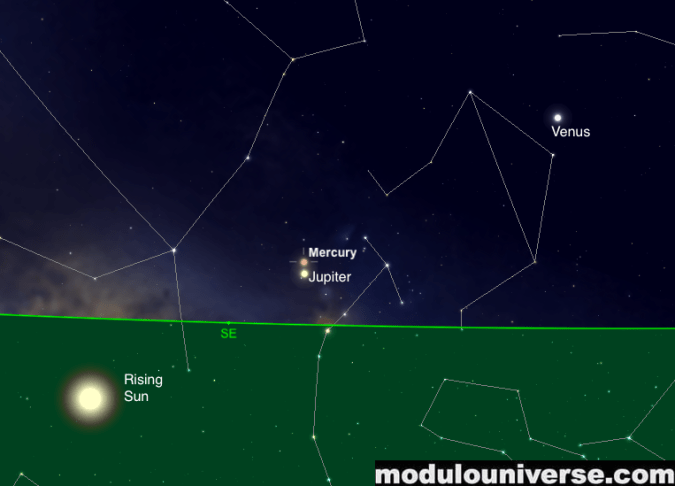
Over the next couple of days, centred on the Dec 21st solstice, there’s a unique opportunity to see Mercury as it forms a conjunction with bright Jupiter low in the south east in morning skies.

You’ll need a good unobstructed horizon to the SE to catch it. Use Venus as a guide to first find Jupiter, then look through your binoculars and you should see Mercury sitting above.

The window is pretty narrow, from around 7.30pm to 8.30pm. The longer you wait the higher Mercury will rise but the brighter the sky, as the Sun rises.

Good luck and clear skies.

merc.jpg

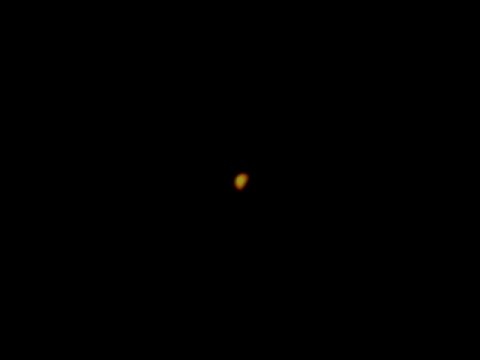
Mercury through a 10 inch telescope

Scapa Festival 2019

logo-scapa-fest-600px-x-60-px

I’m very happy to confirm I’ll be providing more stargazing and astronomy walks and talks at the 2019 Scapa Festival.  Details on my stargazing itinerary at the festival can be found here.

Last years’s festival was fantastic.  Very chilled, friendly and suited to a wide demographic, from families all the way to solo travellers.

I travelled with my family last year in the camper-van and we had a great time, despite none of us particularly being yoga people.  There were so many other great things to do, like bushcraft, nature walks and foraging workshops.  But probably the best time we had was just hanging out in the huge gardens, letting the wee ones play.

To find out more about Scapa please visit their website here or facebook.

Bespoke Stargazing Experiences at the Torridon

Screen Shot 2018-12-16 at 13.02.29

After the success of the first weekend stargazing experience I’m very pleased to be working with the Torridon to deliver bespoke evening stargazing experiences.  These evenings would make a very special treat for someone.

The skies around the Torridon are exceptionally dark with minimal skyglow.  Perfect for Moonless excursions under the stars.

Full details on the experience can be found here:

https://www.thetorridon.com/experiences/torridon-stargazing-experience/


Star Stories Astronomy Outreach Update

DSC_0028

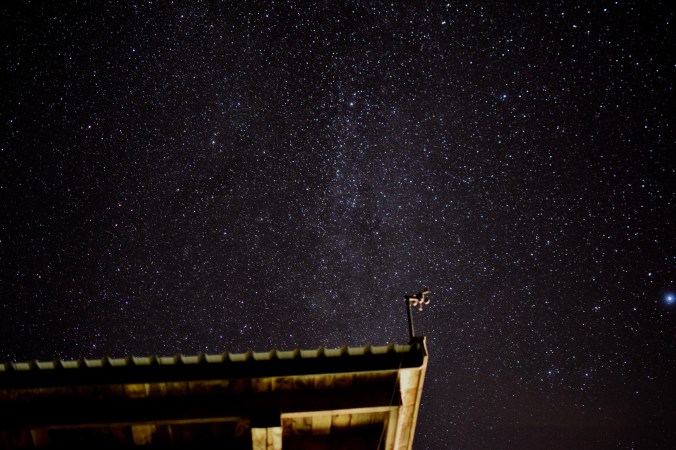
Starry skies above Abriachan, with Vega and Lyra at the extreme right of the shot.

The Star Stories astronomy programme at Abriachan Forest is going from strength to strength, with tickets selling out far in advance of each event.  Since the last update we’ve hosted two stargazing evenings, involving guest speakers Dr Anthony Luke (UHI) and Professor Martin Hendry (Glasgow University).

DSC_0027

More star studded skies above the classroom, close to brilliant Deneb in the Cygnus region of the Milky Way

The November event was a Leonids special, held near the peak of the annual meteor shower on Nov 16th, with the promise of perhaps observing some early atmosphere skipping Leonids.

Dr Anthony Luke presented a fascinating set of lectures on the chemistry of meteors and stars in the forest classroom, touching on the incredible pressure and heat generated within stellar forges that produce all the elements we see around us.

Meanwhile, I led the stargazing component outside with perfectly clear skies allowing us to take in the brightest stars, and views of the gibbous Moon in video telescope.  The lunar observing was particularly captivating, prompting discussion on the formation lunar maria, the highlands, and the Theia Moon origin hypothesis.

Clelland was also in action over the forest campfire making wooden star models for the younger participants.  There were no dramatic meteor sightings to match October’s spectacle but the event certainly whetted everyone’s appetite.


Then on December 5th, Glasgow University’s Professor Martin Hendry (of gravitational wave fame) joined us under dark skies for a Wednesday night special.

Martin is a hard working and inspirational advocate of all things astronomy and space.  Prior to me collecting him at his hotel he had already delivered a packed day of outreach to Inverness schools and hadn’t had a bite to eat since lunch.  Despite this he was incredibly grateful for the cold pizza I offered him on our drive out to Abriachan, and this meagre fare fuelled him sufficiently to deliver two fantastic talks on dark matter and gravitational waves in the forest classroom.  His talk highlighted some of the latest discoveries and simulations from the LIGO (Laser Interferometer Gravitational-Wave Observatory) team.

The following day he was off on the train again to speak to more schools in the far north.

DSC_0031

The Pleiades and red giant Aldebaran

We were also blessed with lots of clear breaks on the 5th, so I once again led the observing component outdoors, this time taking groups further back into the darker areas above the classroom where the Milky Way was ablaze, and fainter fuzzies like the Andromeda galaxy leapt out at us in our binocular and naked eye views.  Amongst many things we discussed the evolution of hot massive stars like Betelgeuse and the Kepler exoplanet survey, which has been scanning vast numbers of star systems close to Cygnus and Vega, cataloging extrasolar planets.

Prior to packing away the binoculars I snapped some pictures of the starry skies close to the forest classroom (attached).

DSC_0026

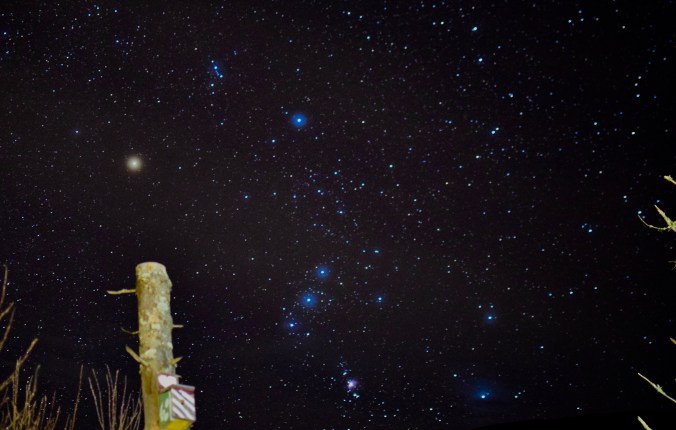
Orion rising in the east from Abriachan Forest

Both evenings have garnered fantastic feedback and we’re looking forward to the next events, listed below.

As always a big thanks to learning coordinator Suzann Barr, Ronnie, Clelland and the rest of the Abriachan team who help make these events so welcoming and successful.  We’re also grateful to grant funding from the STFC, allowing us to invest in observing equipment, free transport and to extend the scope of this year’s programme.

Future Star Stories Events

Winter Solstice Special (21st December 2018) – Solstice talk and Moon observing with astronomer Stephen Mackintosh, turn of the year campfire twists with Clelland.

Stargazing with Dark Sky Man Steve Owens (12th Jan 2019) – Stargazing with author of Stargazing for Dummies Steve Owens

Star Stories Photography Special with guest Graham Bradshaw (9th Feb 2019) – Local landscape, aurora and night sky photographer Graham Bradshaw shares his stories of nights spent on exposed hillsides and offers tips to budding photographers.

The Geminids 2018

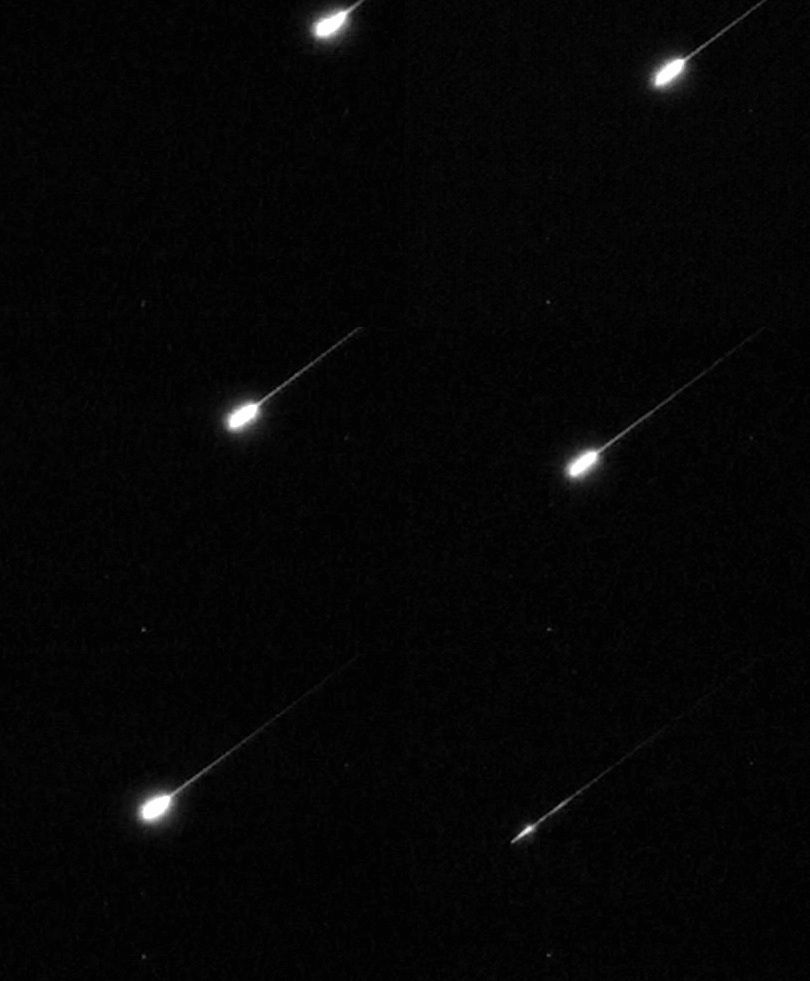
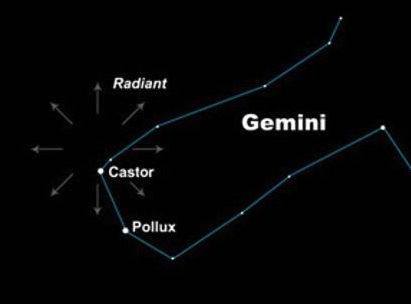
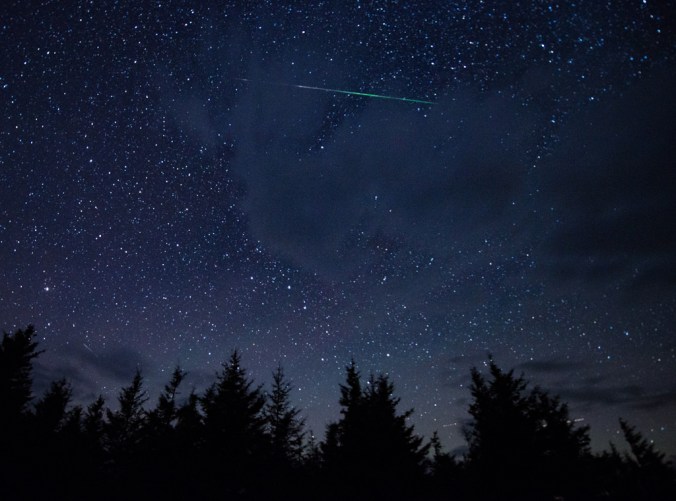
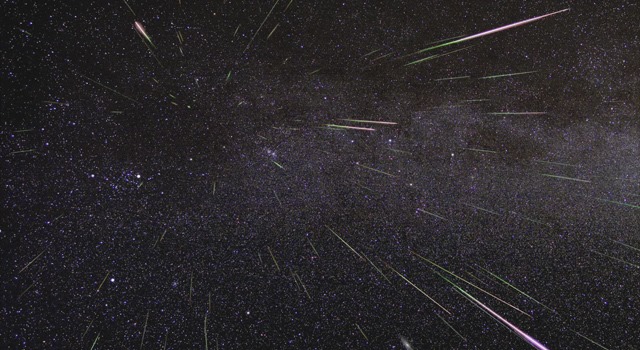
The Geminids, one of the most reliable and active meteor showers of the year is upon us with peak activity predicted between Dec 13th – Dec 14th.  Under the very best possible observing conditions the Geminids have been known to produce displays of up to 100 meteors per hour, although you’ll likely see rates much lower than this.

Occasionally and unpredictably, meteor showers can erupt into storms. One of the most famous happened in 1833 when the Leonids produced over 100,000 meteors per hour! Who knows what this December’s Geminids will bring?

22853366_1990781601158782_2571278860771252483_n


Observing the Geminids

You don’t need any special equipment to view a meteor shower, in fact binoculars or telescopes will just narrow your field of view. Grab a deck chair or a warm blanket, prepare a hot drink, wrap up warm and lay out under the darkest conditions you can find. It’s an excellent activity to do alone or if you have children they’ll love an excuse to get outside for some after dark play.

Put away any lights or bright mobile phones and simply look up and wait. Remember it takes up to 30 minutes for your eyes to fully dark adapt and any exposure to bright lights will start the process all over again. If you need a light red touches are best for preserving you night vision.

For optimal viewing, head out late at night after the Moon sets or in the darkness of the pre dawn sky., when the Gemini radiant is highest in the sky.

Good luck and clear skies!
Meteor_falling_courtesy_NASA

24232756_1990781597825449_1759741144663717495_n

Venus Morning Star

The planet Venus is a brilliant morning star at the moment. Catch it rising in the south east ahead of the Sun between 5.30am and 7.30am.

With keen eyesight and binoculars you should be able to discern Venus’s phase, currently a beautiful crescent. A telescope will make this much clearer as demonstrated by this video footage I shot last year, when Venus was ‘the evening star’.

Over the month of November Venus will get brighter as its phase waxes from a thin crescent to a 25% illuminated disc at month end.  Despite this brightening Venus is actually travelling away from us and after December 2nd its brightness will begin to diminish as it pulls further away from earth and its disc size shrinks .

Once Venus passes behind the Sun it will eventually reappear as an evening star around mid August 2019.

Clear skies!

phases-of-venus-illustration