Beginners Astronomy Kit

Yesterday I presented my beginners guide to observing and buying a first telescope at the Inverness Urban Astronomy gathering.  Here is my 2020 recommendations for good starter equipment.

1. Binoculars: 8x40s or 10x50s. Prices from £50 for decent ones. I personally use Olympus DSP1s and we’ve purchased these for both the Abriachan and Merkinch outreach programmes.

707c9267-04e8-4e9f-bca3-cbe1dd6febce_LongestEdge2048

2. Telescope: Skywatcher 150mm or 200mm dobsonian. Simple to use with great performance. Prices from £175. Get the 200mm if you have the space and extra cash to spend.

Skyliner200ful

3. Books: Left Turn at Orion and Stargazing for Dummies. From £15 each.


4. A red light LED headtorch. From £6 if you go to Tesco’s. Up to £30 for a good quality one.

petzl-tikka-head-torch-bf

5. A planisphere. They cost around £10 and can be found in good book stores.

8110801

Of all the items above I’d say binoculars are the most important.  People are often surprised to discover I do over 90% of my observing with a simple pair of 8x40s.  You can read an earlier post on the merits of hand held astronomy here.
Geminids 2019

79937912_10221297409163385_3502134999086268416_n.jpg

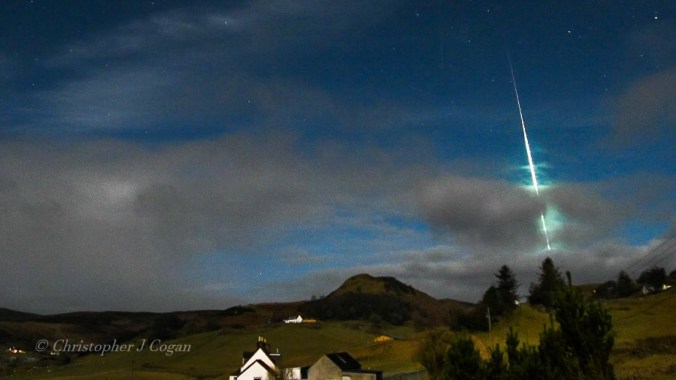
Many thanks to Chris Cogan, a frequent contributor to my Facebook site, for sharing this spectacular Geminid fireball he caught up in Muie, Sutherland in the Scottish Highlands late on Saturday evening.

The facebook post created some interesting discussion, with several people claiming to have seen the same fireball as Chris.  This is very likely.  Last year when I kicked off the 2018 Star Stories programe we witnessed a similarly bright fireball flaring overhead.  By amazing coincidence Chris also photographed this one around 70 miles north of our position.  You can read about that encounter here.

This year’s Geminids appear to have been very active and despite an almost full Moon reports came in from people claiming to have sighted dozens over a reasonably short interval.  My wife I can testify to this after witnessing three in very quick succession after only 5 minutes viewing under light polluted skies.

The next meteor shower to look out for is the Quadrantids, peaking between the 3rd and 4th January 2020.

Astronomy From the Moon

79944347_2470774209826183_6051977789035249664_o

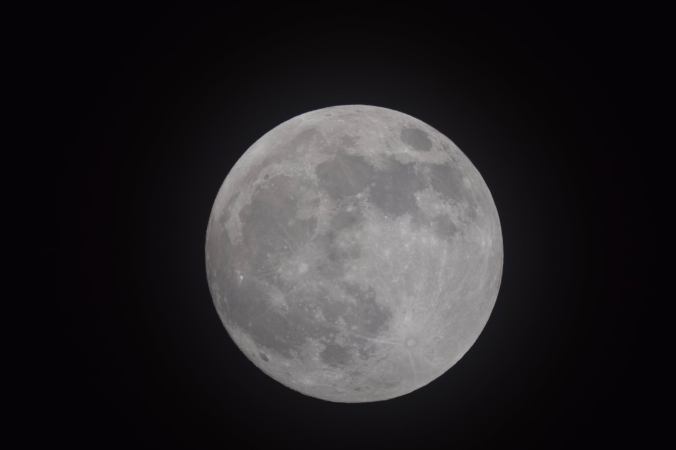
The full Moon

We had a fantastic evening learning about and observing the Moon up at Abriachan forest tonight with special guest Professor Martin Hendry from Glasgow University.

Many thanks to Martin for joining us again and sharing his fantastic knowledge of cutting-edge research and active space missions. In addition to his talk on past and future Moon missions we also got a bonus dose of gravitational wave theory and cosmology thrown in for good measure.

After Martin’s talk I took everyone outside for an open air Moon talk and observing session, with the 99.8% full lunar disc shining brightly above us towards the south east.  Complimenting handheld binocular views we setup a telescope and two larger tripod mounted 100mm binoculars for closeups views

We ended up having a lively discussion and Q&A about the Moon’s history, geology and cultural connections.  Clouds eventually rolled in for 9pm signalling home time and the end of a stimulating gathering.

79150188_2470941973142740_965681361660674048_o

Observing the full Moon

Star Stories and the Multiverse

76720770_2453559731547631_2597166114005843968_o.jpg

Just before lights down. Ready for our journey into the multiverse with astronomer Steve Owens tonight at Abriachan Forest.

We had another fantastic Star Stories session up at Abriachan Forest on Saturday evening, with guest astronomer and author Steve Owen’s taking over my normal astronomy duties with a captivating talk on the multiverse.

Massive thanks to Steve for driving all the way up from Glasgow and delivering two back to back talks due to the fantastic turnout.

Meanwhile Clelland captivated young and old with his dramatic stories up in the Round house. Helpfully, we now all know how to spot a Kelpie!

My wife Judith also put on a great display of creative baking (with help from my younger girls Violet and Nellie) – producing a wonderful array of multiverse inspired cakes.  I wonder if Kip Thorne would approve the final product?

We’ve got two further events in December to look forward to. Dec 11th is Astronomy from the Moon with guest Pof. Martin Hendry, followed by our dark sky Solstice special on the 21st with best selling author and guest storyteller John Burns.

With binocular stargazing and outdoor astronomy if skies are clear.

Please click for Dec 11th ticket link and Dec 21st ticket link.

Galileo and the Moon

DSC_0005.jpeg

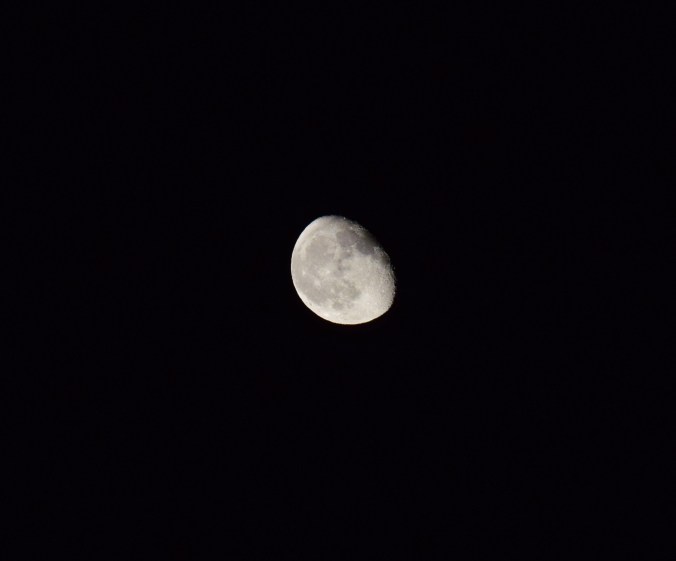
The waning gibbous Moon

I had a fun evening delivering a Moon talk and observing session for members of the Highland Italian Society in Inverness last night.

After an indoor presentation we headed outside where the waning gibbous Moon was on full display, plus a generous sprinkling of brighter stars.

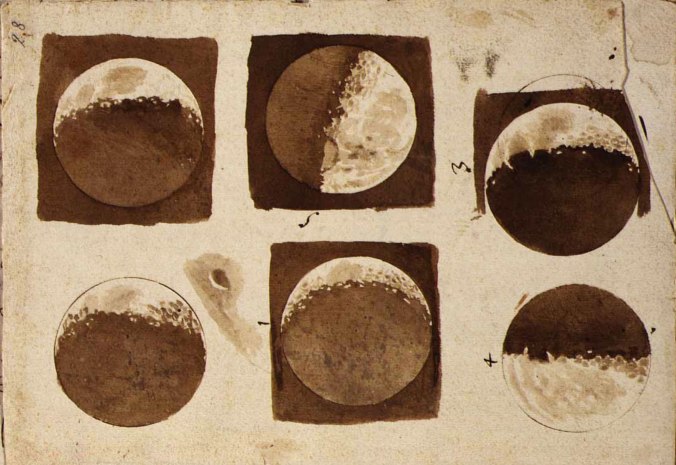
I set up a big pair of tripod mounted 100×20 binoculars to replicate the stunning views Galileo saw when he first sketched the lunar surface in detail – captured in his Sidereus Nuncius. By then his telescope could achieve x20 magnifications, enough to reveal topographical detail along the Moon’s terminator.

Here’s some of the very early sketches Galileo made of the Moon at this time (from the Siderius Nuncius).

156-galileo-iii.jpg

Galileo’s early Moon sketches using his x20 magnification refractor

Unfortunately I had to refuse the generous amounts of wine on offer after the session as I was driving home. I left wondering if Galileo did his observing with a large glass of Chianti in hand?

The Highland Italian Circle meet on Inverness on the third Friday of the month from October to March. If you’re interesting in attending their gatherings please contact May Gillan on 01463 223563 or email maygillan@aol.com.


Ladd Observatory in Providence, Rhode Island

Ladd_Observatory_front.jpg

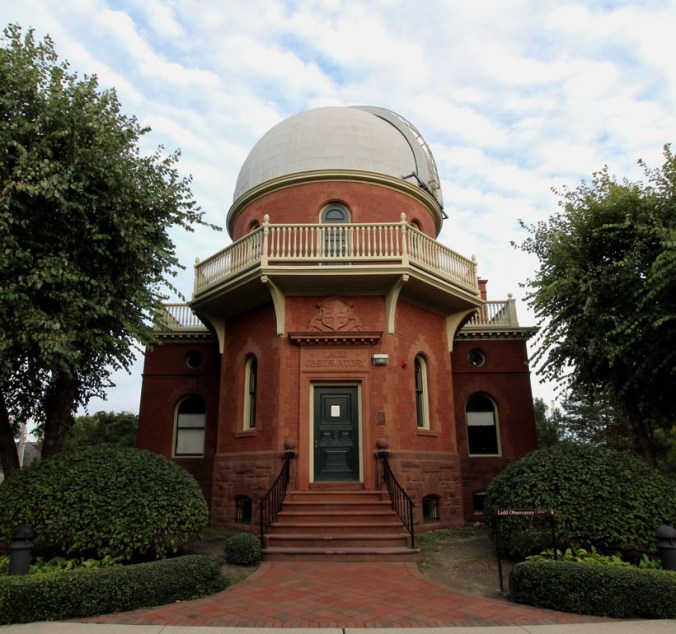
The historic Ladd Observatory situated on College Hill, Providence Rhode Island

During a trip to Rhode Island I had the pleasure of visiting the historic Ladd Observatory on October 16th to look through their 128 year old (12 inch) refracting telescope.

All the optics and gravity driven clock drive are unchanged since the observatory was built in 1891. The same level of preservation applies to the building, which feels like stepping back into the 19th century.

With clear skies during my visit I had the opportunity to gaze at Saturn.  The contrast and views of Saturn through this instrument were amazing. An obvious Cassini division with clear shadowing and storm bands on Saturn’s globe, plus several of the brightest moons were clearly visible.

In addition to the main telescope the observatory has several rooms with photographic slides and exhibits preserved from yesteryear.  One function of the observatory was that of precise timekeeping and signaling using known transit and occultation times for the Moon, planets and bright stars close to the ecliptic. A fascinating array of transit telescopes, pendulum clocks, and chronometers are testament to this previous function.

The observatory would wire calibration signals to the Providence fire service and several other important businesses, allowing clocks to be fine tuned for accuracy.  This practice continued up to the 1970s.

Please enjoy some of the images I snapped from my visit below.


Abriachan Henge Progress and Star Stories Kickoff

aExnNWJFRBappOCBORPmKg_thumb_79ea.jpg

The main henge posts are now in place.  Markers and smaller posts for the Celtic cross quarter days still to be added.

More progress on the wood henge and Celtic calendar up at Abriachan Forest, with the main posts for the meridian, equinoxes and solstice rise and set positions now in place.

Not quite finished yet. Abriachan plan to sow seeds for next few weeks and let the ground within the perimeter settle.

Descriptive marks for the main posts and small posts for the Celtic Cross Quarter days Imbolc, Lammas, Samhain and Beltane will be added later.

In addition to tracking the Sun and measuring the solar year, we can use the henge during the stargazing programme to record the rising of new seasonal constellations in the East and rough measurements of the transit altitudes (due south) and azimuth positions of the stars.

We also had a great kick off to the Star Stories program last night with ancient astronomy learning, storytelling and activities for the young ones.

The next event will be Nov 23rd with guest astronomer and author Steve Owens (aka Dark Sky Man). Booking links will go up shortly.